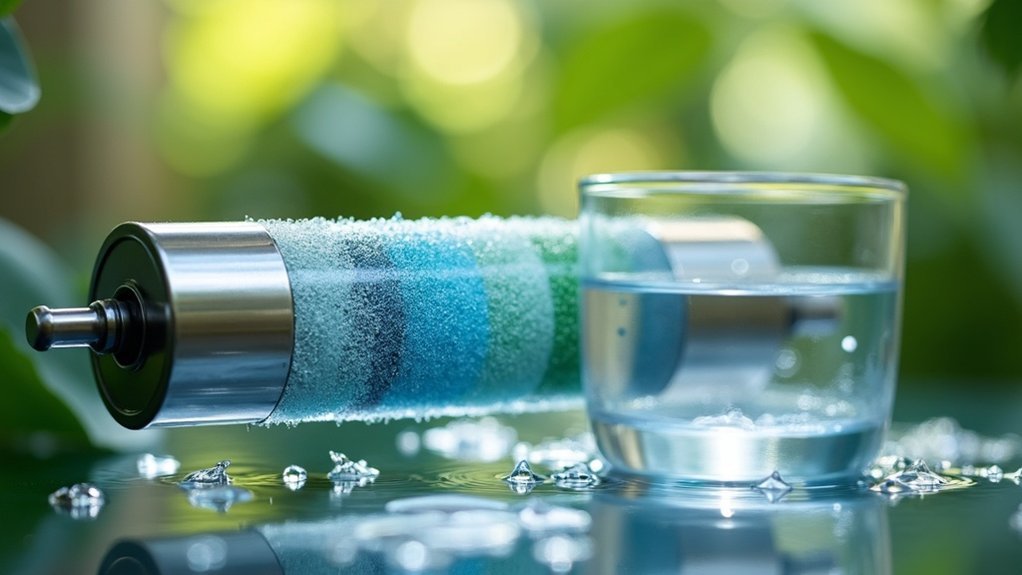
To effectively handle viruses in survival situations, it’s crucial to choose water filters that eliminate at least 99.99% of pathogens, especially those certified by NSF P231. Advanced filtration technologies, such as UltraCeram® and Nanomesh, ensure high virus removal efficiency, making them essential for any prepping strategy. Recommended models for reliable water purification include the Sagan Duraflow, Journey Filters, and RapidPure Filters, which are particularly valuable for immediate purification needs in emergency scenarios. Regular maintenance of these filters is vital for optimal performance to guarantee safe drinking water in any survival situation. Understanding the specifics of these systems and their maintenance can greatly enhance your preparedness for securing clean water in the field.
Key Takeaways
- When selecting a water filter for survival situations, prioritize those with NSF P231 certification to ensure they effectively remove at least 99.99% of viruses, safeguarding your water supply.
- Advanced filtration technologies, such as UltraCeram® and OpenPore, are particularly effective against viral pathogens, making them ideal for prepping scenarios.
- Recommended filters for virus protection in survival kits include the Sagan Duraflow, Sagan Journey, and RapidPure filters, which provide reliable defense against contaminants.
- Regular maintenance and timely filter replacements (every 6 to 12 months) are crucial for ensuring your filtration system remains effective in removing viruses.
- Look for filters that not only provide excellent virus filtration but also preserve essential minerals in water, maintaining its quality for long-term storage and consumption.
Understanding Viruses in Drinking Water
Understanding the presence of viruses in drinking water is crucial for survivalists and preppers, especially for those in vulnerable groups. Enteric viruses like adenovirus, rotavirus, and norovirus can lead to severe health issues, including gastroenteritis and hepatitis, which can be detrimental in a survival situation.
While municipal water treatment can help, it often falls short of ensuring complete virus removal, particularly during high turbidity events or cross-contamination incidents. It’s vital to invest in water filtration systems that specifically indicate their effectiveness against viral pathogens.
Advanced filters with NSF P231 certification can eliminate up to 99.99% of viruses, providing safe drinking water and protecting you and your loved ones from potential health threats in emergency situations.
Health Risks Associated With Viral Contamination
Viral contamination of drinking water presents serious health risks, especially for those in survival situations or prepping for emergencies. Ingesting enteric viruses such as norovirus and hepatitis A can result in gastroenteritis, which is marked by symptoms like diarrhea, vomiting, and fever.
Viral contamination in drinking water poses serious health risks, particularly for those preparing for emergencies.
These risks become even more pronounced in environments with poor sanitation, where fecal contamination is common. Infections can potentially escalate to severe conditions like encephalitis and meningitis, which can be life-threatening in a survival scenario.
Conventional water purification methods may not effectively eliminate bacteria and viruses, highlighting the importance of utilizing advanced filtration systems that ensure the complete removal of these harmful pathogens.
For preppers and survivalists, prioritizing effective water treatment is crucial for maintaining health and safety in uncertain situations. Knowing how to secure clean drinking water can be a key factor in long-term survival.
Indicators of Viral Contamination in Water Sources
When assessing water sources for viral contamination in a survival situation, it’s crucial to identify common indicators like turbidity and the presence of coliform bacteria.
These factors can indicate potential fecal contamination, which may carry harmful enteric viruses. Regular testing for specific indicators such as enterococci or coliphage is vital to ensure the safety of your water supply and protect your health during emergencies.
Always have reliable testing kits on hand and be prepared to treat water when necessary.
Common Viral Indicators
How can you identify potential viral contamination in water sources for survival purposes?
Look for common indicators such as the presence of coliform bacteria, which signals possible fecal contamination that can harbor viruses and jeopardize your safety.
Turbidity, or cloudiness, also suggests contamination, as it may indicate pathogens thriving in murky conditions.
Testing for specific markers like enterococci or coliphage can further clarify viral risks and help you make informed decisions about your water supply.
These indicators often highlight the necessity for reliable water filters that effectively remove viruses, ensuring your preparedness for any situation.
Regular professional water quality tests are vital to monitor these parameters and guarantee the safety of your drinking water.
Stay vigilant and proactive to protect your health and enhance your survival readiness.
Testing for Contamination
What steps can you take to ensure your water supply is safe and free from harmful viruses in your survival preparedness plan?
Start by regularly testing for contamination, focusing on indicators like turbidity, which can signal the presence of pathogens.
Keep an eye out for coliform bacteria, as their detection often points to fecal contamination—a common vector for viral pathogens.
In areas with poor sanitation, make it a priority to test for enteric viruses such as norovirus and rotavirus.
Equip yourself with advanced water testing methods, as they provide more accurate detection than standard consumer-grade tests.
Regular water quality assessments and local water reports are crucial for identifying and addressing potential viral contamination effectively, ensuring that you and your loved ones remain safe in any emergency situation.
Municipal Water Treatment and Virus Removal
Municipal water treatment plants primarily rely on disinfectants like chlorine and chloramine to eliminate viruses in drinking water.
However, in a survival situation, relying solely on these methods can be risky, especially as high water turbidity can compromise their effectiveness, potentially allowing harmful enteric viruses to persist.
Understanding these limitations underscores the importance of having additional filtration systems or portable water purification methods on hand to ensure safe drinking water when preparing for emergencies or uncertain situations.
Disinfection Methods Overview
While disinfectants like chlorine and chloramine are commonly used in municipal water treatment, their effectiveness in removing viruses can significantly diminish in turbid water conditions, which is a concern for survivalists and preppers.
To enhance virus removal in emergency situations, various disinfection methods, such as UV treatment, can be implemented alongside mechanical filtration systems.
The risk of enteric viruses in untreated water sources emphasizes the importance of having robust purification systems in place.
Advanced filtration systems, such as those with NSF P231 certification, can eliminate 99.99% of viruses, ensuring safer drinking water in survival scenarios.
It’s crucial for preppers to understand these methods and their limitations to maintain effective water treatment and prevent waterborne illnesses, especially in challenging environments.
Limitations of Municipal Treatment
Disinfectants like chlorine and chloramine used in municipal water treatment have significant limitations, especially when it comes to effectively eliminating viruses. High turbidity levels can impede their effectiveness, allowing enteric viruses such as norovirus and hepatitis A to persist in the water supply.
As a result, many municipal systems often fail to provide reliable virus removal, posing potential health risks for those relying solely on treated water. Additionally, cross-contamination within water infrastructure can introduce viruses after treatment, further compromising safety.
The EPA has acknowledged that conventional water treatment methods aren’t foolproof against viruses. For those engaged in survivalism and prepping, it’s crucial to understand that relying solely on municipal water systems may not guarantee your safety.
For effective virus removal, consider investing in advanced water filters certified by NSF P231. Most standard municipal treatments lack these capabilities, making it essential for preppers to have reliable water purification systems in place to ensure their safety and well-being in uncertain times.
Key Features of Effective Virus Filtration Systems
To ensure safe drinking water from potentially contaminated sources, effective virus filtration systems are crucial for survivalism and prepping. These systems are designed to eliminate at least 99.99% of viruses, utilizing advanced technologies such as UltraCeram® and OpenPore. Certification from reputable organizations like NSF P231 confirms their reliability in removing harmful pathogens. High flow rates are essential, allowing for immediate access to clean water, which is vital in emergency situations. Furthermore, maintaining low total dissolved solids (TDS) levels is important for preserving essential minerals that support health.
| Feature | Importance | Technology Used |
|---|---|---|
| Virus Removal Efficiency | 99.99% Virus Elimination | UltraCeram®, OpenPore |
| Certification | Validates Performance | NSF P231 |
| Flow Rate | Immediate Access to Water | Advanced Filtration |
| TDS Levels | Preserves Essential Minerals | Optimized Filtration |
Recommended Water Filters for Virus Protection
When preparing for potential emergencies, it’s crucial to have water filters that provide reliable virus protection. Look for models that ensure a minimum of 99.99% virus removal to safeguard your water supply.
Here are some top recommendations for survivalists:
- Sagan Duraflow Filter: This robust filter effectively removes viruses and can purify up to 2,079 liters (550 gallons) of water, making it ideal for long-term preparedness.
- Sagan Journey Filter: A versatile option that filters out viruses, bacteria, and Cryptosporidium, suitable for up to 946 liters (250 gallons) of usage.
- RapidPure Filters: These filters employ advanced technology, allowing for immediate access to purified water whenever you need it.
- Multipure’s Nanomesh Technology: Certified by NSF P231, this technology guarantees 99.99% removal of viruses and bacteria, ensuring your water is safe to drink.
- Certified Models: Be cautious of inexpensive filters that may not effectively remove viruses. Always choose models backed by reliable certifications to ensure your water supply remains uncontaminated.
Investing in these water filters can be a crucial step in your survival preparation strategy, ensuring that you and your family have access to safe drinking water in any situation.
Maintaining Water Filter Systems for Optimal Performance
Having reliable water filters is just the beginning; maintaining these systems is crucial for optimal survival preparedness. Regular filter replacement is essential—many water systems recommend changes every 6 to 12 months based on usage to ensure effective virus removal, which can be vital during emergencies.
Conduct routine inspections, check for leaks, and clean faucet connections to enhance the longevity and effectiveness of your water filtration system. For systems with NSF P231 certification, no additional steps are required, making maintenance simpler in critical situations.
Keep the filter housing and components clean to prevent contamination and ensure high flow rates, especially when access to clean water may be compromised. Following manufacturer guidelines will help you avoid issues that could undermine your filter’s ability to handle viruses effectively, ensuring you’re prepared for any scenario.