When teaching kids essential survival skills, start with basic hygiene and self-care routines to ensure they can maintain their health in various environments. These foundational habits promote independence and self-sufficiency. Introduce age-appropriate chores that simulate survival tasks, like gathering firewood or maintaining a clean living space, to build responsibility and practical skills. Focus on social skills, such as teamwork and effective communication, which are vital for coordinating efforts during group survival scenarios. Enhance critical thinking through role-play and problem-solving activities that mimic real-life survival challenges. Additionally, instill financial literacy basics, like resource management and budgeting, to prepare them for long-term self-reliance. Explore these essential topics further to equip your child with the confidence and competence needed for survival in the future.
Key Takeaways
- Start with basic survival hygiene and self-care skills to instill lifelong health habits, like proper handwashing techniques and maintaining oral hygiene in various environments.
- Teach essential life skills like budgeting during shopping trips for emergency supplies to promote resource management and self-sufficiency in prepping.
- Introduce age-appropriate chores related to survival preparedness, such as organizing and inventorying emergency supplies and gear.
- Develop social skills through role-playing survival scenarios to enhance communication, teamwork, and empathy in high-pressure situations.
- Encourage critical thinking by engaging children in practical survival scenarios and open-ended discussions about decision-making in emergencies.
Essential Life Skills for Early Childhood
When you start teaching essential life skills to your young children, you’re not just preparing them for adulthood; you’re equipping them with the knowledge and abilities to thrive in any situation.
Focus on practical survival skills like personal hygiene, emphasizing routines such as washing hands and maintaining cleanliness to promote health and safety.
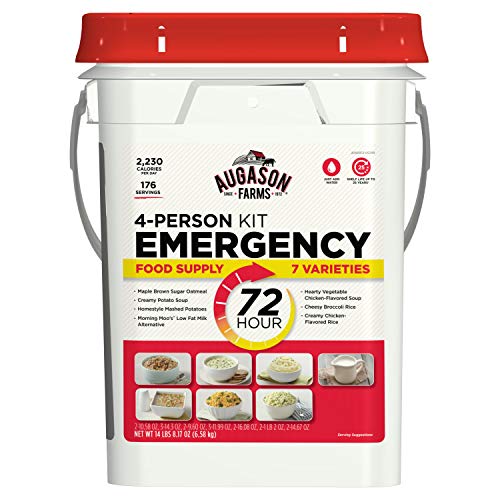
Introduce age-appropriate chores that contribute to self-sufficiency, such as organizing emergency supplies or helping with basic food preparation.
Incorporate lessons on budgeting and resource management during shopping trips, teaching them to discern between necessities and luxuries.
These experiences not only build their confidence and independence but also provide them with vital skills for navigating challenges in the future.
Practical Skills for Kindergarten Readiness
As your child approaches the challenges of a new environment like kindergarten, developing practical skills becomes essential for their confidence and success.
Focus on basic hygiene, like handwashing and using the bathroom independently, to promote health and self-sufficiency. It’s also important to help your child learn to follow directions and cope with disappointment through engaging activities.
Familiarize them with their name and basic colors, laying the groundwork for literacy and math skills that will aid in navigating their surroundings.
Encourage meal self-sufficiency by having them eat lunch independently, teaching them the importance of resourcefulness.
Finally, engage in cooperative play to foster sharing and emotional readiness, crucial life skills that will help them adapt and thrive as they transition into kindergarten.
Social Skills Development
Survival skills are crucial for your child’s ability to navigate challenging situations and communicate effectively in emergencies.
By engaging in role-playing scenarios related to survival situations, you can help them practice important decision-making skills and build resilience.
Encouraging them to express their thoughts and feelings about these scenarios won’t only boost their confidence but also enhance their understanding of teamwork and cooperation in crisis situations.
Importance of Social Skills
Maneuvering the domain of relationships and communication is essential for survivalism and prepping, as strong social skills are crucial in building a supportive community.
By teaching children the importance of manners and respect, you equip them to navigate social interactions effectively, especially in high-stress situations. Engaging in group activities fosters teamwork and cooperation, enabling kids to practice their social skills in scenarios where collaboration is vital for survival.
Encouraging empathy helps them understand others’ feelings, strengthening interpersonal connections that can be invaluable during emergencies. As they learn to communicate effectively and recognize social cues, they’re better prepared to build meaningful relationships, which can create a solid network of support during challenging times and enhance their overall resilience.
Role-Playing Scenarios
While individuals often face challenges in understanding social interactions in survival scenarios, role-playing exercises can be a powerful tool to help them practice essential skills for preparedness.
By engaging in role-play, individuals can explore various situations, learning to communicate effectively, cooperate with others, and express their needs in high-pressure environments. This practice not only boosts their confidence in conveying feelings and requirements but also enhances their verbal and nonverbal communication skills.
Furthermore, stepping into different roles fosters empathy, allowing participants to understand the perspectives of others during a crisis. Incorporating role-playing into regular training routines equips individuals with problem-solving techniques, preparing them to navigate real-life survival situations with greater competence and resilience.
Encouraging Empathy Development
To foster empathy in children, it’s essential to engage them in activities that help them understand and share the feelings of others, even in challenging situations.
Here are three effective ways to encourage empathy development within the context of survivalism and prepping:
- Role-Playing Survival Scenarios: Create scenarios where children must work together to overcome challenges, such as finding food or shelter. This helps them practice recognizing and responding to the emotions of others in high-pressure situations, enhancing their emotional vocabulary in the context of survival.
- Collaborative Projects: Involve children in group activities, such as building a bug-out bag or organizing a community preparedness plan. These teamwork projects promote cooperation and social skills while allowing them to experience different perspectives on what it means to be prepared for emergencies.
- Discuss Emotions in Crisis Situations: Talk about feelings that arise during survival situations, whether from stories, documentaries, or personal experiences. This deepens their understanding of empathy and emotional connections, especially when considering how others might feel in difficult circumstances.
These practices will nurture their ability to build strong interpersonal relationships, which are crucial for effective teamwork in survival scenarios.
Basic Hygiene and Self-Care
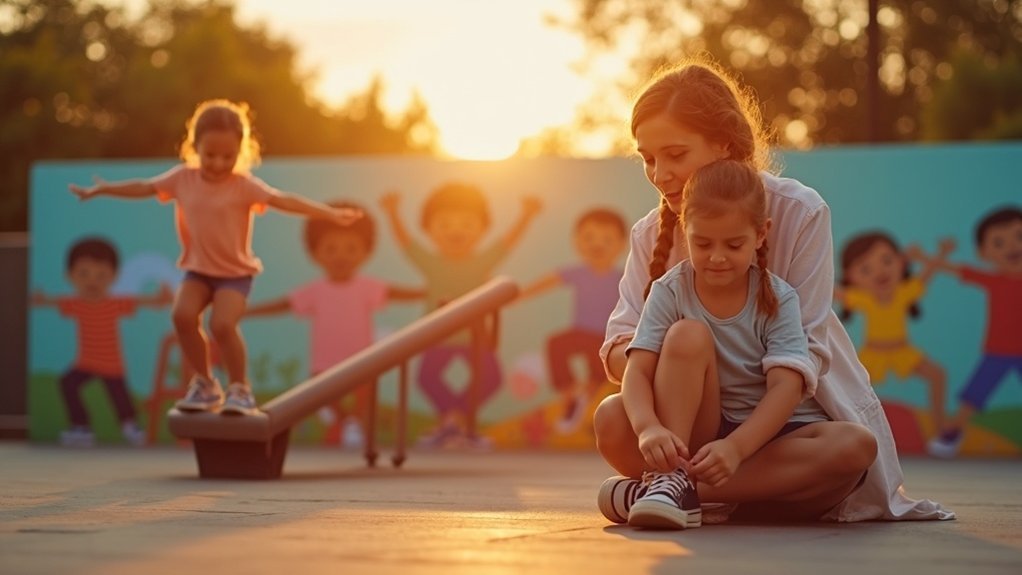
Starting early with basic hygiene and self-care skills is crucial for your child’s development, especially in the context of survivalism and prepping. Teaching your child to wash their hands and maintain oral hygiene as early as age 2 can instill lifelong habits that are vital for health in any situation.
By age 3 or 4, they should learn to use the bathroom independently, including proper wiping and washing hands afterward, to ensure sanitation even in challenging environments. Encouraging self-sufficiency in eating, such as using utensils, fosters autonomy by age 4 to 5, which is essential when preparing meals in a survival scenario.
Establishing a daily routine for bathing and grooming reinforces the importance of self-care and hygiene, even when resources may be limited. Consistent practice not only promotes physical health but also boosts their confidence and independence, preparing them for any challenges that may arise in a survival situation.
Problem-Solving and Critical Thinking
When you encourage your kids to tackle everyday survival challenges, you’re helping them build essential problem-solving skills crucial for self-sufficiency.
By prompting them to think critically and view mistakes as valuable lessons, you foster resilience and creativity in their decision-making.
Let’s explore how practical scenarios, such as navigating outdoor environments or preparing emergency kits, and open-ended questions can enhance their ability to navigate challenges confidently and effectively in any situation.
Everyday Problem-Solving Opportunities
Everyday problem-solving opportunities arise in our daily routines, providing ideal chances for kids to develop critical thinking skills essential for survival and preparedness.
Here are three practical ways to teach children vital life skills early:
- Organizing Supplies: Involve them in deciding how to arrange emergency supplies, encouraging them to prioritize items based on importance and accessibility.
- Planning Family Drills: Let them assist in choosing weekend preparedness activities or drills, fostering their ability to weigh options and consider the needs of the entire family.
- Resource Allocation: Use discussions about resource distribution during emergencies as a chance for collaborative problem-solving and negotiation practice.
These experiences not only build confidence but also equip kids with essential problem-solving skills crucial for surviving unexpected situations.
Encouraging Critical Thinking Skills
While children naturally encounter challenges in their daily lives, intentionally engaging them in critical thinking exercises can significantly enhance their problem-solving abilities, especially in the context of survivalism and prepping.
Present practical survival scenarios where they must analyze information and make decisions, such as planning for emergencies or resource management. Activities like survival puzzles and real-life preparedness challenges boost independent thinking and confidence in decision-making.
Encourage open discussions with open-ended questions, prompting them to explore various perspectives and solutions related to survival situations. Role-playing exercises can simulate real-world scenarios, helping them navigate social dynamics while making informed choices under pressure.
Mistakes as Learning Tools
Mistakes can be powerful teachers in the realm of survivalism and prepping, offering individuals valuable lessons that enhance their problem-solving and critical thinking skills. Embracing errors helps aspiring preppers recognize that mistakes are a natural part of the learning process.
Here are three ways to leverage mistakes as learning tools in survival situations:
- Discuss Mistakes: Engage in conversations with fellow preppers about errors made in past scenarios to foster understanding and resilience in the face of challenges.
- Analyze Causes: Encourage peers to identify what went wrong during survival attempts and how to avoid similar mistakes in the future, enhancing overall preparedness.
- Model Learning: Share your own experiences and how you learned from your mistakes, reinforcing the importance of growth and critical thinking in survival situations.
Financial Literacy Basics
Teaching kids the basics of survival skills is essential for their future preparedness, and you can start as early as age 5. Involve your child in outdoor activities to help them understand the importance of resource management and the difference between essential needs and luxuries.
Giving them responsibilities, like helping with food storage or basic cooking, encourages them to make thoughtful decisions, fostering responsibility and critical thinking. Engage in discussions about emergency preparedness, like creating a simple first aid kit or planning a family evacuation route.
You can also help your child track supplies for a desired camping trip, teaching the value of planning ahead and self-sufficiency. These skills lay a strong foundation for responsible survival practices as they grow.
Communication Skills for Children
Effective communication skills are essential for children, as they empower them to express their feelings and needs clearly, which is crucial in any survival situation.
Effective communication empowers children to express their needs clearly, a vital skill in any survival situation.
Teaching children to articulate their thoughts helps them understand social cues and navigate relationships more effectively, even in challenging environments.
Here are three practical ways to enhance their communication skills in the context of survivalism and prepping:
- Role-Play Survival Scenarios: Simulate various emergency situations to practice dialogue and expression, helping them learn to communicate their needs clearly when it matters most.
- Encourage Open Dialogue About Preparedness: Create a safe space for discussing emotions and feelings related to safety and preparedness, expanding their vocabulary around survival topics.
- Practice Active Listening in Team Settings: Engage in discussions that promote listening skills, reinforcing their ability to respond thoughtfully and make informed decisions as part of a team in critical situations.
Safety Awareness and Emergency Preparedness
While you may think safety awareness is something only adults need to contemplate, it’s crucial for children to learn about survival and preparedness from an early age.
Start by teaching them fundamental safety rules, such as recognizing potential hazards in their environment and understanding the importance of being aware of their surroundings. Engaging in role-playing scenarios, like emergency evacuation drills and identifying safe versus unsafe individuals, enhances their ability to respond effectively in crisis situations.
Ensure they memorize essential contact information, including their full name and emergency numbers, as well as how to reach trusted adults in various situations.
Introducing basic first aid skills, such as cleaning and bandaging minor wounds, empowers them to manage non-life-threatening emergencies confidently.
Open discussions about survival strategies and emergency preparedness will foster their overall awareness and resilience in the face of challenges.