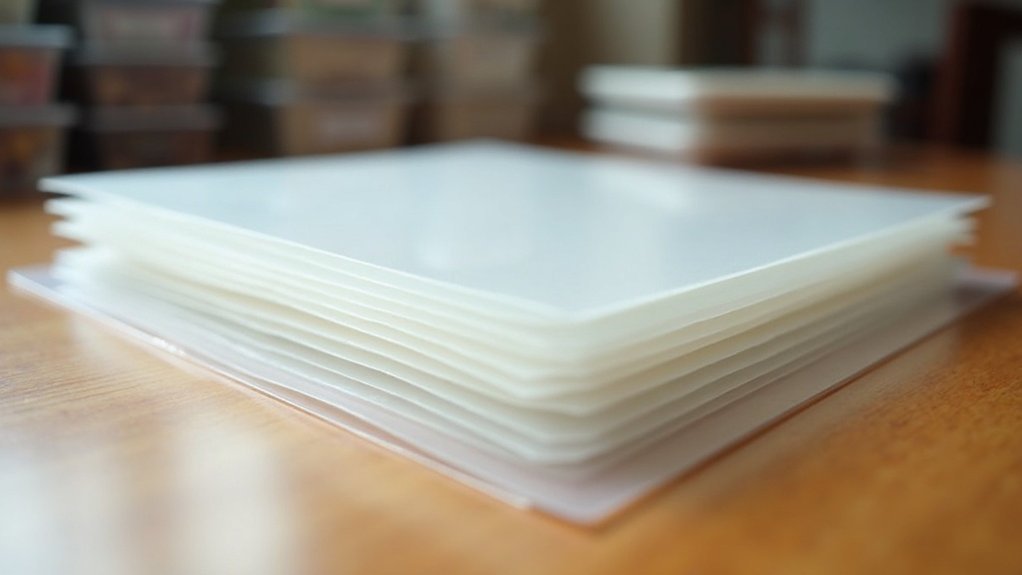
For long-term food storage in a survivalist context, it’s essential to use Mylar bags that are at least 5 mil thick. For optimal protection against air and moisture, consider opting for 7 mil or thicker options, as these can help ensure your food remains viable for over a decade. If you’re preparing for extreme conditions, 10 mil bags offer enhanced durability and resilience. Always take into account environmental factors and the specific types of food you’re storing, and explore additional strategies for effective long-term storage solutions.
Key Takeaways
- Mylar bags with a thickness of 7 mil or higher are essential for long-term food storage, making them a crucial asset for survivalists and preppers.
- For maximum durability and protection during extreme conditions, opt for 10 mil bags to ensure your supplies remain intact.
- Thicker bags (7-10 mil) are particularly effective at blocking air and moisture, preserving your food for over a decade, which is vital for long-term preparedness.
- Use 4-5 mil bags for medium-term storage of grains and beans (1-5 years) to keep your provisions ready for any scenario.
- Always pair any Mylar bag thicker than 5 mil with oxygen absorbers to significantly enhance shelf life and ensure your food is safe and nutritious when you need it most.
Understanding Mylar Bag Thickness for Long-Term Storage
When it comes to long-term survival storage, understanding Mylar bag thickness is crucial for protecting your supplies. For effective food storage that can withstand the test of time, choose bags with a thickness of at least 5 mil; this thickness strikes a balance between durability and ease of handling.
Thicker options, such as 7 mil or more, offer superior defense against air and moisture, ensuring your provisions remain fresh for over a decade. In humid environments, opting for thicker Mylar bags is essential to prevent moisture damage, which can jeopardize your survival supplies.
It’s best to avoid bags thinner than 4 mil, as they’re more vulnerable to tearing and light penetration, which can compromise the integrity of your stored items. Prioritize quality when preparing for any long-term scenario.
Recommended Thickness for Long-Term Food Storage
For optimal long-term food storage in a survival or prepping scenario, Mylar bags with a thickness of 7 mil or higher are considered the gold standard.
These thicker bags provide superior protection against air, moisture, and light, ensuring your food remains safe and fresh for extended periods.
Thicker Mylar bags offer exceptional defense against air, moisture, and light, keeping your food secure and fresh for longer.
For those preparing for extreme conditions or bulk food storage, 10 mil bags offer heavy-duty durability.
For medium-term storage of grains and beans, bags in the 4-5 mil range are effective.
To maximize the shelf life of your food supplies, pair 5 mil or thicker Mylar bags with oxygen absorbers.
Always store these bags in cool, dark places to enhance their effectiveness and ensure your food is ready when you need it most.
Comparing Standard Thickness Categories
Different thickness categories of Mylar bags play a crucial role in food storage for survivalists and preppers, each offering unique advantages and limitations.
For long-term storage, 7 mil bags are ideal, effectively blocking air and moisture for over a decade, making them perfect for stashing away essential supplies. Thicker bags, 10 mil and above, provide maximum durability, ensuring your provisions are safe during harsh conditions and heavy-duty applications.
Meanwhile, 4-5 mil bags are versatile, suitable for medium-term use of 1-5 years, accommodating various survival scenarios. Thinner bags, ranging from 2-3.5 mil, aren’t recommended for long-term storage, as they can tear easily and don’t provide sufficient barrier protection.
Choosing the right thickness is paramount to ensure your food and sensitive items remain secure and preserved effectively for any emergency situation.
Factors Influencing Thickness Selection
Selecting the right Mylar bag thickness is crucial for effective long-term storage in survival and prepping scenarios.
First, consider the storage duration; thicker bags (7-10 mil) are essential for items you intend to keep safe for 10 years or more. This is particularly important for sensitive items such as food supplies and survival gear, which require robust protection against air, moisture, and light exposure.
Environmental conditions also play a significant role in your selection; in humid regions, opting for thicker bags is vital to prevent moisture damage, while drier climates might allow for thinner options for short-term storage.
Best Practices for Storing Food in Mylar Bags
When preparing for emergencies and ensuring long-term food storage, using Mylar bags effectively is vital for maintaining freshness and shelf life.
Follow these best practices for storing food in Mylar bags as part of your survival strategy:
- Opt for Mylar bags that are 5 mil thick or more for enhanced durability and protection against external elements.
- Utilize oxygen absorbers within the bags to combat spoilage and preserve the nutritional quality of your food supplies.
- Store your Mylar bags in a cool, dark environment to reduce the risk of deterioration and extend the shelf life of your food.
- Clearly label each bag with its contents and the date of storage for efficient inventory management and ease of access during emergencies.
Implementing these techniques will help ensure that your food supplies remain viable and ready for use when you need them most.