When you’re starting your journey into survivalism and prepping, rotating staple foods like rice, quinoa, and pasta is a strategic move. These items serve as versatile meal bases that can be adapted with various sauces or toppings for variety. Protein-rich options such as beans, eggs, and lean meats ensure you maintain energy and nutrition, essential for any prepper. Don’t overlook the importance of convenient frozen ingredients, which are quick to prepare and have a long shelf life. Incorporating fresh seasonal produce can enhance your meals with flavor and variety, helping you stay engaged in the kitchen. There’s a wealth of options to explore as you build your sustainable food storage!
Key Takeaways
- Canned beans are an essential staple for survivalists, as they are shelf-stable and versatile, allowing for easy incorporation into various meals for beginners who are prepping for emergencies.
- Frozen vegetables and fruits are invaluable in a prepping scenario, as they retain nutrients and can be utilized in dishes without the risk of spoilage, ensuring a nutritious diet.
- Whole grains like brown rice and quinoa are cost-effective and can be stored long-term, making them ideal for preppers seeking nutritious meal options that last.
- Eggs serve as a budget-friendly protein source that can be included in numerous recipes and stored safely for extended periods, making them a practical choice for survivalists.
- Seasonal produce can often be sourced at lower prices and encourages creative cooking while providing fresh flavors, which is beneficial for maintaining morale during long-term food storage situations.
Versatile Staples for Meal Bases
When preparing for emergencies or situations where resources may be limited, versatile staples like rice, quinoa, pasta, tortillas, and canned beans become essential components of a survival pantry.
Rice is an excellent base for hearty meals, providing energy and sustenance in times of need. Quinoa serves as a high-protein, gluten-free option that can be easily incorporated into a variety of dishes, adding both nutrition and versatility.
Rice provides a hearty base for meals, while quinoa adds high-protein, gluten-free versatility to your dishes.
Pasta is a long-lasting, budget-friendly staple that can be transformed with simple sauces or ingredients you may have on hand. Tortillas are ideal for wraps or tacos, allowing you to stretch your food supplies with creative flavor combinations.
Canned beans aren’t only shelf-stable but also pack a nutritional punch, enhancing the texture and protein content of soups and salads.
With these staples, you can ensure that you have the means to create nourishing meals, even in challenging circumstances.
Protein-Packed Options
Incorporating protein-packed options into your survival meals not only boosts nutritional value but also helps sustain energy levels during challenging times. Consider these versatile ingredients that are essential for any prepper’s pantry:
| Protein Source | Protein per Serving |
|---|---|
| Lean ground turkey or chicken | 22 grams (3 oz) |
| Canned beans (black beans, chickpeas) | 15 grams (1 cup) |
| Tofu | 10 grams (1/2 cup) |
Additionally, stock up on eggs or Greek yogurt for extra protein. These options are not only adaptable for various meals, such as hearty survival tacos or stir-fries, but they also provide the necessary fuel to keep you energized while navigating through whatever challenges may arise. Planning meals with these protein sources ensures you are well-prepared for long-term sustenance.
Convenient Frozen Ingredients
When it comes to convenient frozen ingredients, having a few essential staples on hand can be a game-changer for your survival pantry.
Frozen vegetables, fruits, and proteins not only save time but also help you maintain portion control and reduce waste—critical factors in a prepping strategy.
Essential Frozen Staples
Essential frozen staples can be a crucial part of your survival and prepping strategy, transforming your kitchen into a resource for convenience and nutrition during emergencies.
Stock your freezer with frozen vegetables like peas and mixed stir-fry blends, which retain nutrients and are perfect for quick meals when fresh produce is unavailable. Frozen fruits such as berries and mangoes are ideal for smoothies or desserts, maintaining flavor and nutrition for months, ensuring you have options when fresh food supplies dwindle.
Don’t overlook frozen proteins, including chicken and fish, which can be cooked straight from frozen, providing easy and nutritious dinners without the need for refrigeration.
Frozen grains like brown rice guarantee you have healthy sides ready in minutes, making meal preparation efficient during challenging times.
Lastly, frozen herbs can elevate flavors effortlessly, enabling you to customize meals without the hassle of relying on fresh ingredients that may not be accessible in a survival scenario.
Stocking your freezer with these essentials can equip you for long-term preparedness and self-sufficiency.
Smart Portion Control
How can you make meal prep both efficient and healthy while preparing for potential emergencies? Convenient frozen ingredients are your answer! They help with portion control while also making it easier to whip up nutritious meals. Here’s a quick guide tailored for survivalists:
| Ingredients | Benefits | Tips |
|---|---|---|
| Pre-cut Vegetables | Saves prep time and adds nutrition | Use in stir-fries or soups for quick meals in a pinch |
| Frozen Proteins | Always have options for protein sources | Portion out before freezing to ensure you have enough for multiple meals |
| Frozen Grains | Easy to store and reheat for energy | Cook in bulk for variety and to maximize caloric intake during emergencies |
Seasonal Produce for Variety
Incorporating seasonal produce into your meals not only enhances the flavor and freshness of your dishes, but it also offers a chance to stock up on a diverse range of fruits and vegetables that can aid in your survival preparedness throughout the year.
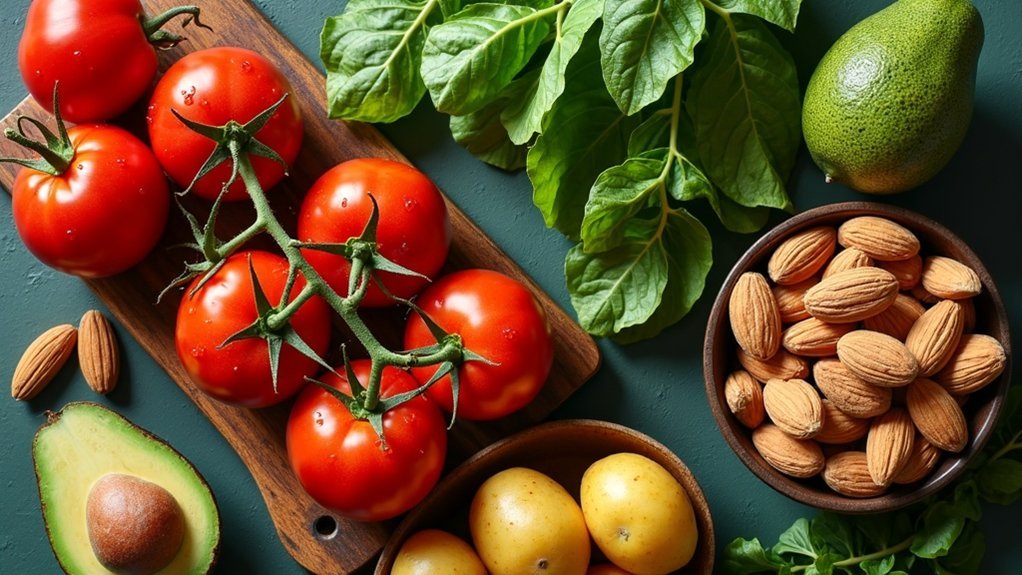
Spring brings asparagus and strawberries, summer offers tomatoes and peaches, fall provides pumpkins and apples, and winter introduces root vegetables—all of which can be preserved or stored for later use.
Seasonal produce is often more affordable, helping you to build a sustainable food supply while supporting local farmers and reducing your carbon footprint.
Furthermore, these ingredients are typically nutrient-dense, harvested at peak ripeness, making them essential for maintaining your health during challenging times.
Planning meals around these seasonal ingredients not only inspires creativity in the kitchen but also prepares you to nourish yourself and your community in any situation.
Budget-Friendly Choices
Eating on a budget doesn’t mean sacrificing nutrition or flavor, especially when preparing for uncertain times. You can stock your pantry with budget-friendly survival foods that store well and offer a long shelf life. Incorporate beans and lentils for essential protein and fiber, while seasonal vegetables like carrots and cabbage can be preserved for added flavor and versatility. Whole grains such as brown rice and quinoa serve as affordable and nutritious bases for emergency meals. Don’t forget about frozen fruits and vegetables; they’re cost-effective, reduce waste, and can be used in various recipes. Lastly, eggs are a fantastic and versatile protein source that can be stored safely. Here’s a quick overview of essential survival foods:
| Food Category | Examples | Benefits |
|---|---|---|
| Beans & Lentils | Black beans, Lentils | High in protein, fiber, long shelf life |
| Seasonal Vegetables | Carrots, Cabbage | Cheaper, can be canned or fermented |
| Whole Grains | Brown rice, Quinoa | Affordable, versatile, long-lasting |
| Eggs | Whole, Powdered | Cost-effective protein source, easily stored |
Quick and Easy Meal Components
When you’re preparing for emergencies or uncertain times, having a few quick and easy meal components can make all the difference.
Stock your pantry with long-lasting staples like dried beans, rice, and pasta; these versatile bases can be easily expanded upon with various sauces and proteins. Canned or freeze-dried vegetables are excellent options as they provide essential nutrients without the need for refrigeration.
Incorporating prepped ingredients like rotisserie chicken or pre-made sauces can save you valuable time during meal assembly, especially when resources are limited.
Additionally, embrace batch cooking to prepare grains, legumes, or soups ahead of time, which can be stored for extended periods. This way, you can enjoy nutritious meals throughout the week with minimal daily effort, ensuring you’re ready for anything that comes your way.