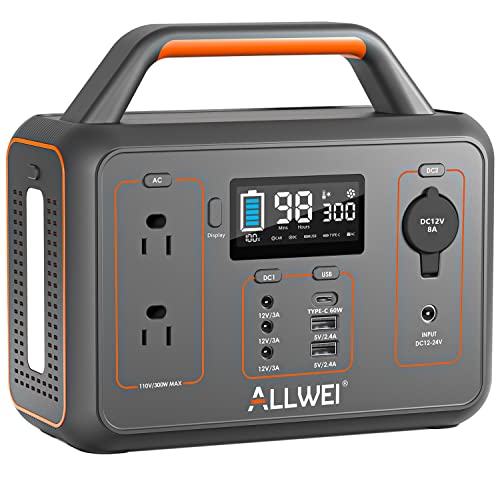
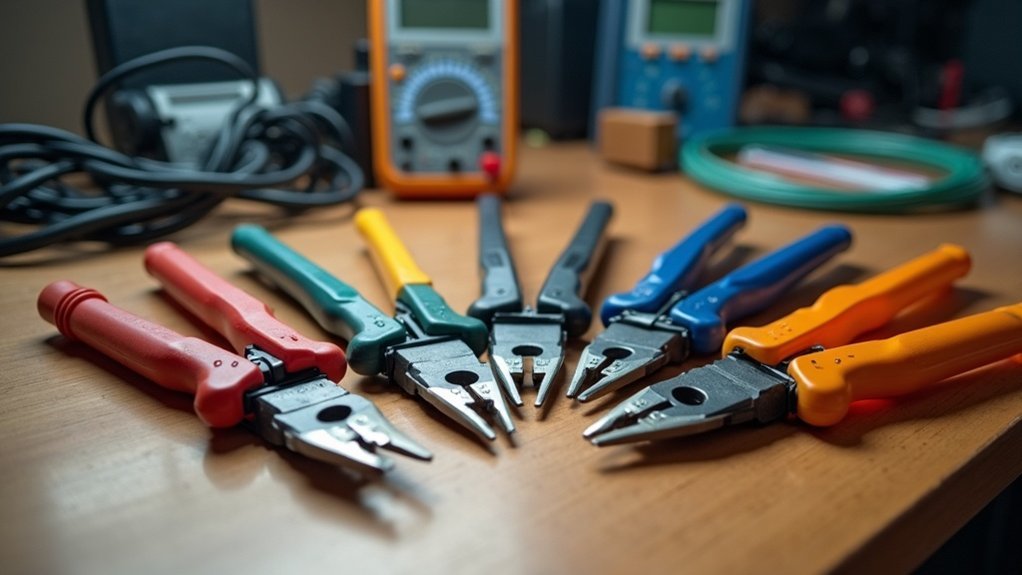
To test a generator safely in a survival situation, choose mild weather and low load times, ideally during daylight hours. Ensure you are in a well-ventilated area, away from flammable materials, to minimize risks. Before starting, check your fuel levels, oil, and battery connections to ensure everything is in optimal condition. Always operate outdoors, using grounded extension cords to prevent electrical hazards, and adhere strictly to the manufacturer’s guidelines. After testing, shut down the generator properly and document everything in a maintenance log for future reference. For more in-depth insights and strategies on effective generator management in prepping, consider exploring additional resources that focus on survival preparedness.
Key Takeaways
- Test the generator during mild weather to ensure optimal performance without temperature-related complications that could hinder your preparedness efforts.
- Opt for low load times, such as early morning or late afternoon, to minimize strain on the generator and align testing with your survival plans.
- Conduct testing outdoors in a well-ventilated area to prevent carbon monoxide buildup, a crucial safety measure for any survivalist.
- Utilize daylight hours for better visibility and monitoring during the testing process, ensuring you can quickly identify any issues.
- Make sure communication devices are operational and have a backup plan in place before testing, as reliable communication is vital in survival situations.
Choosing the Right Conditions for Testing
When preparing to test your generator for survival situations, it’s essential to choose the right conditions to ensure both safety and performance. Conduct your generator testing during mild weather to prevent temperature-related issues that could compromise functionality.
Select a well-ventilated area, free from flammable materials, to minimize the risk of carbon monoxide poisoning, especially in an emergency scenario. Test during times of low load, such as early morning or late afternoon, to ensure the generator operates within safe limits and is ready for more demanding situations.
Ensure a well-ventilated testing area, free from flammables, and choose low-load times for optimal generator performance.
Utilizing daylight hours enhances visibility for better monitoring of the generator’s performance. Always have a backup plan in place and ensure your communication devices are operational, preparing you for any unexpected failures during your load testing.
Being well-prepared can make a critical difference in a survival situation.
Essential Pre-Testing Checks
Before you test your generator, it’s crucial to perform essential pre-testing checks to ensure safe and efficient operation, especially in survival situations.
Start by ensuring your generator is positioned in a well-ventilated area, at least 10 feet away from windows and doors to avoid carbon monoxide buildup.
Check fuel levels to confirm you have an adequate supply for extended use during emergencies.
Inspect oil, coolant, and air filters to ensure they’re functioning optimally, as these components are vital for the generator’s reliability.
Examine the battery for cleanliness and secure connections, since a faulty battery can significantly hinder performance when you need it most.
Finally, verify that all electrical connections and cords are intact and properly grounded.
These checks are essential to guarantee your generator operates effectively during testing, particularly under annual load conditions, ensuring you’re prepared for any unexpected power outages in a survival scenario.
Safe Operation Procedures
To ensure safe operation during generator testing as part of your survival and prepping efforts, always prioritize conducting the process outdoors in a well-ventilated area. This is essential to prevent harmful carbon monoxide buildup, which can be a critical concern during power outages.
Position the generator on a stable, flat surface, away from flammable materials to minimize fire hazards. Before starting, check fuel, oil, and coolant levels to avoid damage during load tests, ensuring your generator is ready for any emergency situation.
Use heavy-duty, outdoor-rated extension cords to connect appliances, confirming they’re intact and grounded to prevent electric shock. Finally, strictly follow the manufacturer’s instructions for operation and shutdown.
Adhering to these protocols not only guarantees safe operation but also facilitates efficient generator repair if needed, keeping you prepared for any scenario.
Post-Testing Shutdown and Documentation
Ensuring the proper shutdown of your generator after testing is crucial for its longevity and performance, especially in survival situations. Always follow the manufacturer’s shutdown procedure to allow the unit to cool down and prevent overheating, which could lead to failure when you need it most.
Disconnect all loads before shutdown to avoid electrical surges that could damage your equipment or create unsafe conditions. After post-testing, promptly turn off the fuel supply and engage necessary safety switches to prevent leaks or accidental starts.
It’s vital to document every aspect of your testing process in a maintenance log, including the date, duration, load levels, and any operational issues encountered. This record serves as a valuable reference for future use, ensuring you can quickly address any problems that arise.
Moreover, keeping detailed documentation helps you stay compliant with standards like NFPA 110, which is important for maintaining safety and reliability in your preparedness efforts. Regularly update this documentation to reflect any changes, reinforcing your readiness for any situation that may arise.
Maintenance and Monitoring Best Practices
Regular maintenance and monitoring are crucial for keeping your generator in optimal condition, ensuring you have a reliable power source during emergencies.
Here are some best practices tailored for survivalists and preppers:
- Perform routine visual inspections to check for any damage, leaks, or loose connections that could hinder performance when you need it most.
- Follow the manufacturer’s maintenance schedule diligently, replacing filters and inspecting spark plugs to ensure efficiency and reliability.
- Schedule monthly load tests to confirm that your generator can handle the power demands; consider load bank testing if you’re preparing for extended use.
- Utilize remote monitoring technology for real-time performance tracking, allowing you to be proactive in addressing any issues before they become critical.