When a tornado warning is issued, it’s crucial to act swiftly and seek shelter in the safest interior room available. Choose windowless areas such as bathrooms, closets, or hallways on the lowest floor, as these spaces offer optimal protection from flying debris and wind pressure. Steer clear of upper floors and any rooms with windows or exterior walls. Preparation is key in survivalism; ensure you have essential supplies ready so you can withstand the worst-case scenario. Stay tuned for more insights on tornado safety and how to enhance your preparedness.
Key Takeaways
- When a tornado warning is issued, immediately move to an interior room to maximize your safety from flying debris and wind pressure, reinforcing your preparedness mindset.
- Prioritize relocating to the lowest floor available, as tornadoes typically weaken over land, enhancing your chances of survival.
- Seek out windowless areas such as bathrooms, closets, or hallways to provide optimal protection against the storm.
- Protect your head and neck with your arms, and use heavy furniture or blankets as additional barriers to increase your safety.
- Act swiftly and avoid using elevators; always take the stairs to reach your designated safe area efficiently.
Importance of Choosing the Right Shelter
When a tornado strikes, your choice of shelter can significantly affect your survival. Selecting the right interior room is crucial for maximizing your protection. Aim for a small, windowless area like a bathroom or closet, as these spaces typically provide enhanced structural support against the violent winds of a tornado.
The Federal Emergency Management Agency (FEMA) highlights the importance of safe rooms constructed from reinforced materials designed to withstand tornado winds of up to 250 mph. Staying on the lowest floor is vital, as tornadoes generally weaken as they move over land.
Ideal Interior Rooms for Tornado Safety
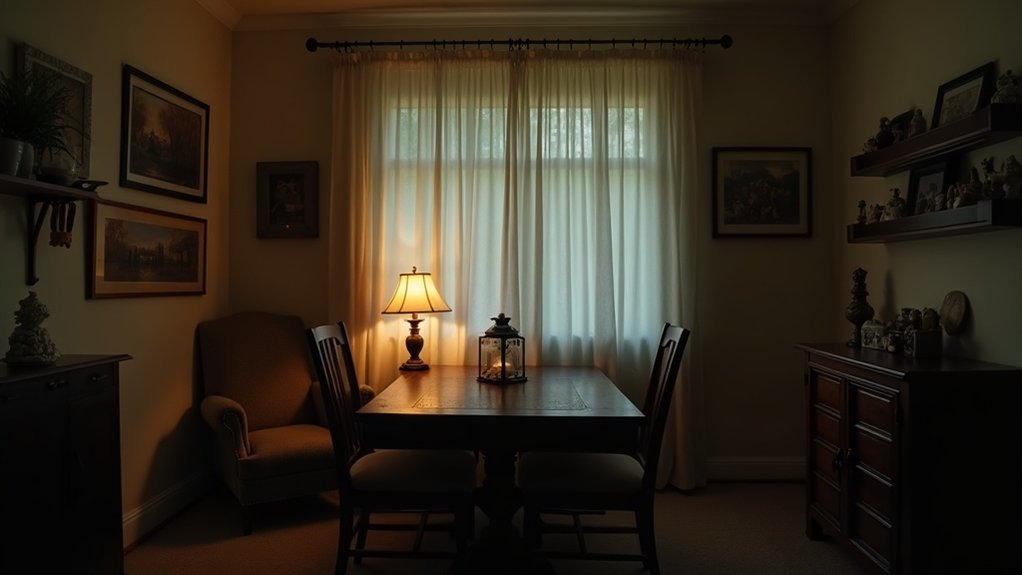
Selecting the right interior room for tornado safety is crucial for your survival during severe weather events. Ideal options for a secure shelter include windowless bathrooms, small interior closets, and hallways that are far removed from exterior walls. These spaces significantly reduce your exposure to flying debris and wind pressure.
Always select a room on the lowest floor, as tornadoes tend to weaken over land, which makes higher floors more susceptible to damage. Enclosed areas like bathrooms provide better structural support, thanks to their plumbing, which can help reinforce the walls.
Selecting a room on the lowest floor offers better protection, as tornadoes weaken over land, making upper levels more vulnerable.
Avoid rooms with windows or exterior walls, as these increase the risk of injury from shattered glass and debris.
When prepping for tornado warnings, prioritize safety by choosing an appropriate interior shelter. By being proactive and informed, you can enhance your preparedness and ensure the best chance of survival during a tornado.
Steps to Take During a Tornado Warning
As tornado warnings are issued, it’s essential to act quickly and seek shelter in the safest interior room available. Move to the lowest level of your building, ideally a bathroom, closet, or hallway, away from windows and exterior walls. Cover your head and neck with your arms, and use heavy furniture, blankets, or mattresses to protect against flying debris.
Avoid elevators; take the stairs to reach your designated safe room efficiently. Stay tuned to local weather updates on your devices to monitor the tornado’s progress, ensuring you’re informed and ready to respond as conditions change.
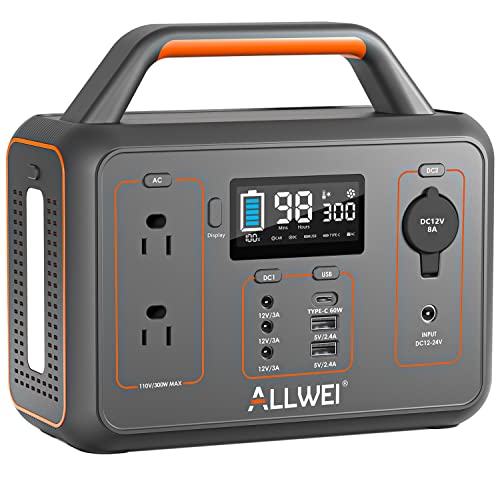
In addition to these immediate actions, consider preparing your shelter area in advance. Stock it with essential supplies such as water, non-perishable food, a first-aid kit, a flashlight, and a battery-powered weather radio.
Regularly check and update your emergency kit to ensure you have what you need when disaster strikes. Develop a family communication plan so everyone knows where to go and what to do during severe weather events.
Safety Measures for Apartment Dwellers
Apartment dwellers must implement essential survival measures to safeguard themselves during a tornado. Identify the lowest-level interior rooms, such as windowless closets or bathrooms, which serve as the optimal tornado shelter.
Avoid upper floors and exterior walls, as these areas are more susceptible to flying debris. Engage with your building manager to familiarize yourself with designated safe areas within your complex, ensuring you’re prepared ahead of time.
When a tornado warning is issued, act swiftly to reach your predetermined safe area, as tornadoes can develop with little warning. If you find yourself sheltering in an interior room, ensure it’s small and devoid of windows to minimize the risk of injury from shattered glass and intense wind pressure.
Being proactive and informed can significantly enhance your safety during severe weather events.
What to Do If You’re Outside or in a Vehicle
When a tornado threatens while you’re outside or in a vehicle, taking immediate action is crucial for your survival. If a tornado warning is issued, your first instinct should be to seek shelter indoors, as buildings offer the best protection against severe weather.
If you find yourself without access to shelter, locate a low-lying area, such as a ditch, lie flat, and cover your head to shield yourself from flying debris.
While driving, it’s important to remember that trying to outrun a tornado isn’t advisable. Instead, pull over, park away from traffic, and look for a sturdy building to take refuge in.
If that option is unavailable, lie down in a low area and protect your head. Avoid seeking shelter under bridges or overpasses, as these can create dangerous wind conditions and flying debris.
Always be prepared and have a plan in place to enhance your safety during severe weather events.