When deciding whether to bug out or stay home, it’s crucial to assess the threat level meticulously. In the face of natural disasters, civil unrest, or pandemics, bugging out to a secure location may be essential for your survival. On the other hand, if your home can be fortified and you have a sufficient stockpile of resources, staying put may be a viable option. Always heed evacuation orders and evaluate the structural integrity and security of your home. The pivotal decision centers around your safety and the accessibility of supplies. Delve deeper to discover effective strategies and essential items tailored for each survival scenario.
Key Takeaways
- Bug out during natural disasters, civil unrest, or nuclear incidents when immediate threats to your safety and survival arise.
- Stay home if the threat is localized, allowing you to utilize your resources and prep supplies effectively.
- Assess the integrity of your home; if your property is damaged or unsafe, bugging out may be the best option for your survival.
- Evaluate your access to resources; if your supplies are dwindling and evacuation routes are clear, it may become necessary to bug out to ensure your preparedness.
- Follow evacuation orders closely; mandatory orders indicate the highest level of urgency to leave and should be taken seriously to ensure your safety.
Understanding Bugging Out and Sheltering in Place
When deciding whether to bug out or shelter in place, it’s essential for survivalists and preppers to carefully weigh the consequences of each option.
Bugging out involves evacuating to a predetermined safe location when faced with immediate threats, such as natural disasters or civil unrest. To be prepared for this scenario, you must have a comprehensive survival kit ready, which should include non-perishable food, ample water supplies, first aid essentials, and other critical gear.
On the other hand, sheltering in place is often the better choice for localized threats, allowing you to stay secure in your fortified home while utilizing your stored resources. This approach necessitates having a solid evacuation plan in place and ensuring your home is equipped to withstand potential dangers.
Ultimately, your decision should be based on a thorough assessment of the threat’s severity and your personal safety considerations, which are paramount in the survivalist lifestyle.
Key Scenarios for Bugging Out
Understanding the specific scenarios that necessitate bugging out is crucial for any survivalist or prepper. Here are key situations where you should consider evacuating:
- Natural disasters such as hurricanes and floods, where personal safety is at risk and evacuation routes are essential.
- Civil unrest in urban settings, prompting a swift exit to ensure safety and avoid potential chaos.
- Pandemics that overwhelm healthcare systems, making it imperative to seek alternative, safer locations.
- Wildfires that require immediate evacuation due to their rapid and unpredictable nature.
- Nuclear incidents occurring near contamination zones, necessitating precautions against radiation exposure.
In all these scenarios, having a well-thought-out bug-out plan, effective water purification methods, and ample supplies will significantly enhance your chances of survival and safety.
Assessing the Risks of Staying Home
Assessing the risks of staying home during an emergency is crucial for survivalism and prepping. It requires a detailed analysis of the specific threats you might encounter, such as natural disasters, civil unrest, or public health crises.
| Threat Type | Risks Involved | Safety Strategies |
|---|---|---|
| Natural Disaster | Property damage, isolation from help | Fortify your home, stockpile essential supplies |
| Civil Unrest | Looting, violence, and potential threats to safety | Stay informed, enhance home security measures |
| Public Health Crisis | Risk of infection, shortages of critical resources | Implement strict hygiene practices, keep your supplies well-stocked |
Remember that while preparing for physical threats, your mental well-being is also essential; prolonged isolation can take a toll on mental health. By understanding these risks, you can make informed decisions about whether to shelter in place or evacuate when necessary. Always prioritize safety and thorough preparedness to ensure you and your loved ones are ready for any situation.
Essential Preparedness Items for Both Strategies
Deciding whether to bug out or stay home requires careful consideration and a well-thought-out strategy, alongside having the right supplies for each scenario.
Careful consideration and a solid strategy are essential when deciding to bug out or stay home.
In a bug-out situation, your bug-out bag should contain:
- A comprehensive first aid kit for various medical emergencies
- Lightweight water supplies and purification tablets to ensure hydration
- Non-perishable food items that provide immediate nourishment
- Essential emergency gear equipped with multi-functional tools for versatility
- A reliable communication device to stay informed and updated on the situation
For those choosing to shelter in place, it’s crucial to stockpile:
- Sufficient water (one gallon per person per day for at least two weeks)
- Bulk freeze-dried food that has a long shelf life
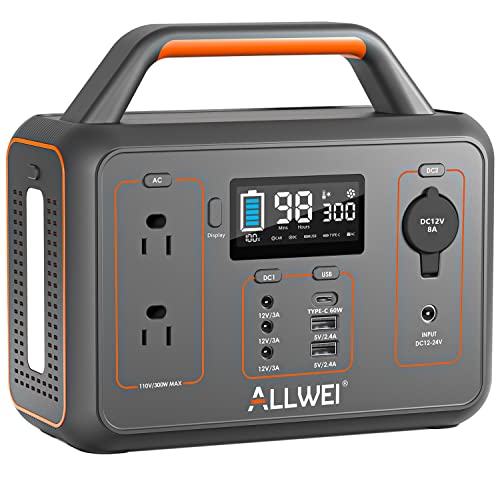
- A backup power source to maintain essential functions
- Security supplies to enhance safety and protection
Regularly reviewing and updating your preparedness supplies is vital to ensure you’re always ready for any situation that may arise.
Making the Decision: Factors to Consider
When faced with a crisis, it’s crucial for survivalists to carefully consider multiple factors in deciding whether to bug out or stay home. Assess the severity of the disaster, your geographical location, and the resources at your disposal.
| Factor | Bug Out |
|---|---|
| Threat Level | Immediate dangers, civil unrest |
| Evacuation Orders | Mandatory, proximity to hazards |
| Home Integrity | Compromised structure |
| Resource Access | Limited supplies |
| Travel Conditions | Poor access, ongoing unrest |
Be prepared to evacuate if conditions deteriorate, but in some scenarios, remaining at home may provide a safer option. Always prioritize your personal safety and the conditions within your community before making your final decision. Being well-informed and prepared can make all the difference in a crisis.