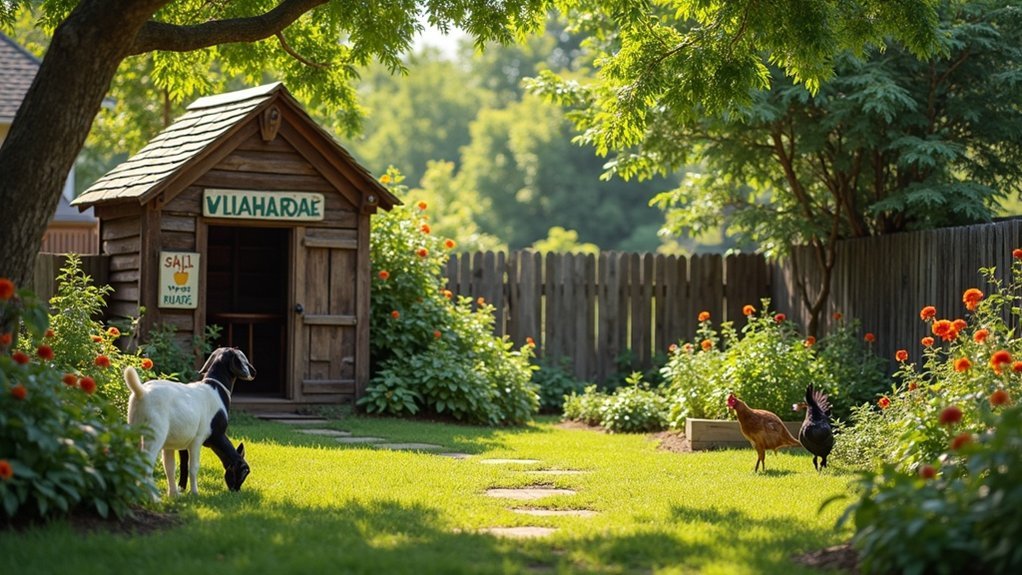
To effectively raise small livestock in your backyard for survivalism and prepping purposes, begin by checking local regulations and zoning laws to ensure compliance. Select resilient animals, such as chickens or bantam breeds, that are suitable for your space and can provide a reliable food source. Construct a secure environment with fortified coops and predator-proof fencing to protect your livestock from threats. Ensure they receive nutritious food, clean water, and regular health monitoring to maintain their well-being. Engage with your local prepping community for support and resources, and consider starting with a small number of animals, gradually expanding your livestock as you gain experience. Learn more about optimizing your backyard for sustainable livestock success in your preparedness efforts.
Key Takeaways
- Research and understand local regulations and zoning laws regarding small livestock ownership to ensure compliance with survivalist practices.
- Choose suitable small livestock breeds that fit your space, such as bantam chickens or miniature goats, which can provide food security in a survival situation.
- Construct a durable and predator-proof coop with proper ventilation to create a safe environment for your livestock, crucial for self-sufficiency during emergencies.
- Provide a balanced diet, fresh water, and regular health checks to maintain the well-being of your animals, ensuring they can support your prepping efforts.
- Connect with local survivalist communities and resources for support, tips, and educational opportunities on livestock care to enhance your preparedness skills.
Understanding Local Regulations and Zoning Laws
When considering raising small livestock like chickens for your survivalist or prepping endeavors, it’s crucial to check your local regulations.
In Texas, rules can vary significantly across its 254 counties and over 1,200 municipalities. Many cities require permits and may limit the number of chickens allowed, typically ranging from 2 to 12, depending on local zoning laws.
In Texas, regulations for keeping chickens differ widely, with many cities imposing limits and permit requirements.
Homeowners associations (HOAs) might enforce even stricter regulations, making it essential to review their bylaws. Additionally, some municipalities impose setback requirements for chicken coops.
Understanding these local regulations and zoning laws is vital for ensuring a smooth and compliant experience while building your backyard food source and enhancing your self-sufficiency.
Choosing the Right Small Livestock for Your Space
After ensuring compliance with local regulations, the next step is to select the right small livestock for your survival needs.
Consider these key points when choosing animals for your space:
- Space Requirements: Chickens require approximately 4 square feet in a coop and 10 square feet in an outdoor run, making them a practical choice for food production.
- Bantam Breeds: Choose bantam chickens if space is limited—they’re smaller, consume less feed, and can produce eggs efficiently.
- Miniature Goats: These resilient animals can thrive in backyards, needing around 200 square feet per goat, and can provide both milk and companionship.
- Compatibility: Ensure your chickens can live harmoniously with other small livestock, like ducks, to maximize your food sources without larger livestock complicating your setup.
Essential Supplies for Raising Backyard Livestock
When raising backyard livestock for survival and self-sufficiency, having the right housing materials is crucial to ensure your animals remain safe, comfortable, and productive.
A well-constructed shelter can also serve as a secure space in times of uncertainty.
Additionally, implementing effective feeding and watering systems is vital to guarantee your livestock has access to a balanced diet and clean water, which are essential for their health and your preparedness efforts.
Let’s explore the essential supplies you’ll need to create a thriving environment for your flock while enhancing your self-reliance.
Required Housing Materials
Creating a safe and sustainable environment for your backyard livestock is crucial for survivalism and prepping. The right housing materials are essential for ensuring your animals remain healthy and secure, especially in unpredictable conditions.
Key supplies include:
- Predator-proof fencing: An absolute necessity to protect your livestock from potential threats, ensuring they’re safe from predators.
- Durable chicken coop: Constructed from weather-resistant materials, the coop should provide at least 4 square feet per chicken to ensure comfort and space.
- Effective ventilation systems: Proper airflow is vital; it helps keep your animals cool in the summer and warm in the winter, promoting their overall health.
- Easy-to-clean flooring materials: Opt for wood shavings or straw, which assist in waste management and simplify the cleaning process, making it easier to maintain a hygienic environment.
Feeding and Watering Essentials
Once you’ve established a secure environment for your backyard livestock, the next critical step is ensuring they receive proper nutrition and hydration to support your self-sufficiency goals.
Implement a regular feeding schedule, providing chickens with a balanced diet of commercial feed that contains 16-20% protein. Supplement their diet with grains, vegetables, and occasional treats to diversify their nutrition.
Fresh, clean water is vital—each chicken requires about 1-2 cups daily, particularly during hot weather. Regularly inspect food and water supplies to prevent stress or health-related issues, which can impact your preparedness efforts.
Utilize feeders that minimize waste and waterers that prevent contamination to maintain a healthy flock. Additionally, don’t forget to provide grit to aid digestion, ensuring your chickens remain healthy and productive, contributing to your long-term survival strategy.
Creating a Safe and Comfortable Environment
To ensure your small livestock thrive in a survivalist setting, it’s crucial to create a secure and comfortable environment that addresses their specific needs. Here are four important considerations:
Creating a secure and comfortable environment is essential for thriving small livestock in survival situations.
- Verify that your custom coops comply with local zoning regulations for size and placement to avoid any legal issues during a crisis.
- Implement proper ventilation and insulation to shield chickens from extreme temperatures, ensuring their survival in unpredictable weather conditions.
- Utilize predator-proof materials and secure enclosures to protect your livestock from potential threats, especially in a survival scenario where food sources may be scarce.
- Maintain cleanliness in the livestock area to prevent disease and promote health, which is vital for self-sufficiency and resilience in challenging times.
Feeding and Caring for Your Animals
Feeding and caring for your small livestock is crucial for ensuring their survival and productivity in a prepper’s lifestyle.
Providing a balanced diet that meets the specific nutritional needs of each species is vital, as well as establishing a consistent daily care routine to keep them thriving in all conditions.
Regular health checks are essential, allowing you to adjust their diet or care as necessary to maintain their health and well-being, which is critical for self-sufficiency during uncertain times.
Nutritional Needs Overview
When it comes to raising small livestock like chickens for survival and prepping purposes, understanding their nutritional needs is vital for ensuring their health and productivity.
Here are four essential points to consider:
- Provide a balanced diet that includes a mix of commercial feed, grains, and vegetables to ensure they receive the necessary nutrients.
- Ensure access to clean, fresh water daily; adult chickens require about 1 pint to stay hydrated and healthy.
- Incorporate protein-rich foods into their diet, aiming for 16-18% protein to support growth and egg production.
- Establish a regular feeding schedule, typically in the morning and evening, to minimize waste and ensure consistent nourishment, which is crucial for maintaining a reliable food source.
Regularly monitoring their body condition allows you to make necessary adjustments to their diet, promoting peak health and productivity, which is essential for any prepping strategy.
Daily Care Routine
Maintaining a consistent daily care routine for your small livestock is essential for ensuring their survival and productivity, especially in a prepping mindset.
Start each day by providing clean water, as chickens typically drink about a pint daily. Regularly clean their waterers to prevent contamination, which is crucial in survival scenarios.
During your morning routine, conduct daily health checks for any signs of illness, such as changes in behavior or appetite, as early detection can prevent larger issues in uncertain times.
Regular feeding is vital, so offer a balanced diet of layer feed, grains, and kitchen scraps, ensuring your livestock remains healthy and self-sufficient.
Don’t forget to maintain a clean and dry coop by removing waste and replacing bedding to promote a healthy environment for your flock.
Health and Wellness Considerations
To ensure your small livestock remains resilient and thriving in a survivalist setting, regular health checks are essential.
Prioritize these key areas for optimal health and preparedness of your backyard chickens:
- Regularly monitor for signs of illness to catch any issues early.
- Maintain a balanced diet and ensure they’ve consistent access to clean water.
- Quarantine new additions to your flock for a minimum of one month to prevent the spread of disease.
- Provide a clean, well-ventilated living environment to reduce stress and illness.
Understanding the specific needs of each breed, including their adaptability to local climate conditions and dietary requirements, is crucial in a survival situation.
Engaging With the Community and Resources
Engaging with your community can significantly enhance your experience as a small livestock owner, especially within the context of survivalism and prepping. Connecting with local groups and online forums, such as Backyard Chickens, can provide valuable insights into community regulations, best practices, and resources for sustainable living. Collaborating with neighbors by sharing fresh eggs or produce fosters goodwill and strengthens community ties. Local agricultural extension offices can offer critical resources on livestock care, biosecurity measures, and sustainable practices essential for self-sufficiency. Educational initiatives within the community can promote responsible ownership and a deeper understanding of food sources, crucial for preparedness in uncertain times.
| Benefit | Description |
|---|---|
| Building Connections | Meet fellow livestock owners for support and resources in prepping |
| Sharing Knowledge | Learn best practices from experienced owners to enhance self-sufficiency |
| Reducing Complaints | Promote goodwill through shared resources and community cooperation |
| Influencing Regulations | Advocate for policies that support sustainable and responsible livestock ownership |
Starting Small and Expanding Your Livestock Family
Building on the connections you’ve established in your community, starting small with your livestock journey is both practical and rewarding, especially in the context of survivalism and prepping.
Starting small with your livestock journey fosters community connections and enhances your self-sustainability in survivalism.
To effectively keep backyard chickens for self-sustainability, consider these steps:
- Begin with 2 to 6 hens for manageable care while ensuring a steady supply of fresh eggs.
- Research local regulations; many areas allow up to 12 chickens, which can enhance your food security.
- Engage with local chicken-keeping groups for support, resources, and tips on sustainable practices.
- Monitor your flock’s health and maintain regular care routines to ensure a resilient food source.
As you gain confidence and skills, think about adding small livestock like rabbits or ducks, ensuring you have the space and resources to support their needs.
This diversification can bolster your food supplies during uncertain times. Happy prepping!