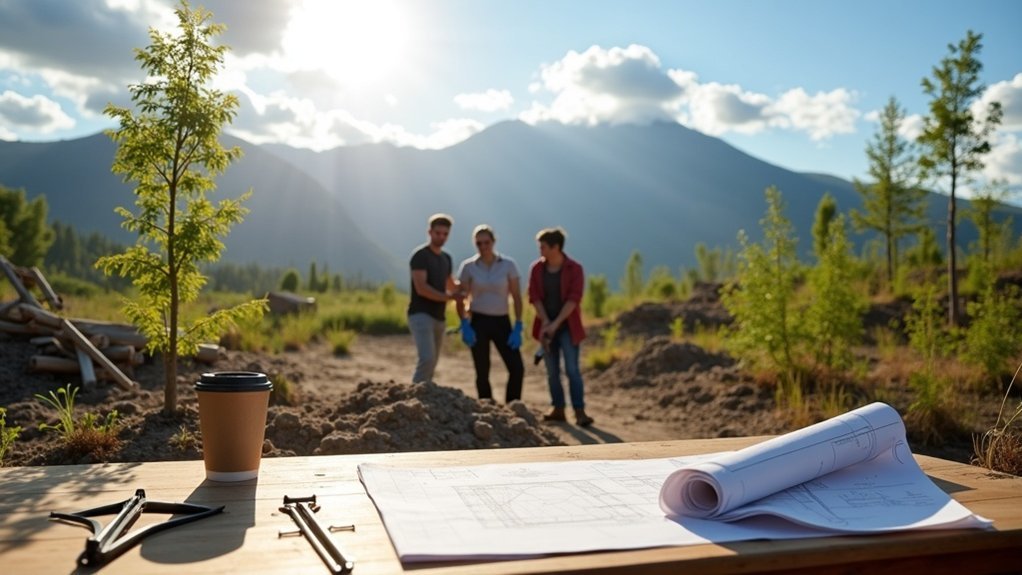
To rebuild with resilience in a survivalist context, prioritize engaging vulnerable populations in your plans. By including low-income individuals, the elderly, and people with disabilities, you foster a more resilient community. Strengthening recovery networks maximizes resources and guarantees inclusivity. Learn from past disasters to tailor your survival strategies effectively, and prioritize access to essential services like healthcare and education. Empower individuals through training in self-reliance and proactive preparedness for emergencies. By considering these elements strategically, you’ll uncover further insights for a successful rebuilding journey that enhances community survival and preparedness.
Key Takeaways
- Engage with at-risk populations in the planning process to ensure that rebuilding efforts are inclusive and specifically address their unique survival needs and vulnerabilities.
- Conduct thorough analyses of previous disasters to pinpoint risks and develop targeted strategies that bolster community resilience against future crises.
- Implement strong resource management practices to optimize the use of available assets and funding for effective survival and rebuilding initiatives.
- Ensure that access to essential services is prioritized during the rebuilding phase, enhancing community preparedness and supporting those who are most vulnerable.
- Promote individual preparedness through training and community engagement, empowering members to actively participate in resilience and recovery efforts.
Engaging Vulnerable Populations in Disaster Preparedness
Engaging vulnerable populations in disaster preparedness is crucial for survivalism and prepping, as it not only addresses their specific needs but also enhances the resilience of the entire community.
Groups such as low-income individuals, the elderly, and people with disabilities often face heightened risks during disasters. By involving them in planning and training programs, we empower these communities to develop proactive survival strategies.
Utilizing accessible communication methods ensures that everyone can participate, fostering social connectedness and mutual support essential for prepper networks.
This inclusive approach not only addresses immediate survival needs but also builds long-term resilience, ensuring that all community members can thrive and effectively recover in the face of future disasters.
Strengthening Recovery Networks and Resource Management
Strengthening recovery networks and resource management is essential for enhancing community resilience in the face of disasters. By identifying and training community leaders, you can improve coordination of response efforts and ensure a more effective disaster recovery process.
Implementing robust resource management strategies allows you to maximize available assets and funding, which is critical for preparedness. Engaging vulnerable populations is vital, as addressing their unique needs ensures that recovery networks are inclusive and comprehensive.
Maximizing resources and engaging vulnerable populations are key to creating inclusive and effective disaster recovery networks.
Ongoing research initiatives, such as the Resilient Children/Resilient Communities Initiative, offer valuable insights into effective practices that can significantly enhance community resilience, making your survival and recovery efforts not only strategic but also empathetic.
Emphasizing self-reliance and preparedness can further empower communities to withstand and recover from disasters.
Learning From Past Disasters for Effective Strategies
Effective recovery networks and resource management are crucial for survivalism and prepping, as they provide a framework for learning from past disasters and enhancing community resilience.
Analyzing events like Hurricane Harvey highlights how urban development and lax building regulations can increase flooding risks, underscoring the necessity for stricter planning measures. Vulnerable communities, especially low-income areas, often bear the brunt of these disasters, making targeted support essential in future rebuilding efforts.
Involving community advocates ensures that resilience projects are tailored to meet specific needs, while long-term monitoring allows strategies to adapt to ongoing climate change challenges.
Prioritizing Access to Essential Services
Access to essential services is crucial for fostering self-sufficient communities, particularly when facing disasters. Individuals and families must prioritize healthcare, education, and emergency preparedness to enhance their resilience and ability to recover.
Vulnerable populations often face challenges in accessing these services, underscoring the importance of proactive measures in survival planning. By incorporating essential services into your preparedness strategies, you can improve your community’s readiness and ensure a quicker recovery after an event.
Establishing local networks enhances communication and resource sharing during emergencies, ultimately strengthening community resilience. Advocating for policy changes that secure funding for essential services in areas prone to disasters won’t only aid immediate survival efforts but also reduce long-term recovery costs for your community.
Fostering Individual Preparedness and Community Strength
Building on the importance of access to essential resources, fostering individual preparedness is crucial for enhancing community strength in the face of disasters. By empowering individuals to prepare, you’re bolstering overall community resilience and accelerating disaster recovery.
Training local leaders to coordinate response efforts facilitates efficient communication and resource sharing, which are vital for survival situations. Engaging in survival drills not only refines personal readiness but also strengthens social bonds, promoting mutual support among community members.
It’s imperative to ensure that vulnerable populations have access to the necessary resources, enabling everyone to respond effectively in emergencies. Communities that prioritize preparedness, particularly among youth and marginalized groups, are better equipped to recover quickly from adverse events and thrive in challenging circumstances.