To build raised beds in your suburban yard for survival gardening, first, choose a sunny spot that receives 6-8 hours of direct sunlight, as this will help maximize your food production. Opt for durable materials like pressure-treated lumber or rot-resistant wood for constructing your frames, ensuring they can withstand the elements. Assemble your raised beds by cutting the lumber to size and securing the corners with screws for stability. Fill them with enriched soil, combining compost and organic matter to promote healthy plant growth and resilience. Regular maintenance is crucial to keep your beds thriving and to ensure a bountiful harvest for your prepping needs. Consider incorporating tips on enhancing the longevity of your raised beds to create a sustainable food source for you and your family.
Key Takeaways
- Select a sunny location that receives 6-8 hours of direct sunlight daily, which is crucial for optimal plant growth and self-sufficiency.
- Opt for durable materials such as pressure-treated lumber or naturally rot-resistant woods to ensure your raised beds withstand the test of time and potential adverse conditions.
- Prioritize good drainage by avoiding low-lying areas and incorporating organic materials into your soil mix, which is essential for sustaining crops during emergencies.
- Maintain 3-foot wide pathways around the raised beds for easy access and efficient tending of your crops, allowing for quick response in any situation.
- Regularly add compost and rotate crops to enhance soil health and prevent pest infestations, ensuring a reliable food source for you and your family during uncertain times.
Selecting the Right Location for Your Raised Beds
When selecting the right location for your raised beds in a survivalist or prepping context, it’s critical to ensure they receive at least 6-8 hours of direct sunlight each day. This sunlight is vital for growing healthy vegetables and herbs, which can provide essential nutrients in a self-sufficient lifestyle.
Ensure the area has good drainage to prevent waterlogging, as excess water can threaten your crops and reduce yield; while raised beds assist with drainage, proper site selection is paramount. Position your beds near a reliable water source, such as a hose bib or rainwater collection system, to facilitate easy maintenance and irrigation during dry spells.
Avoid placing them under large trees or structures that could cast shade or compete for nutrients, as this can hinder your food production. Finally, consider the available space and ensure paths are at least 3 feet wide to allow for comfortable access, especially when tending to your crops in a time-sensitive situation.
Choosing Durable Materials for Construction
Choosing durable materials for constructing your raised beds is crucial for ensuring long-term sustainability and minimizing maintenance in a survivalist setting.
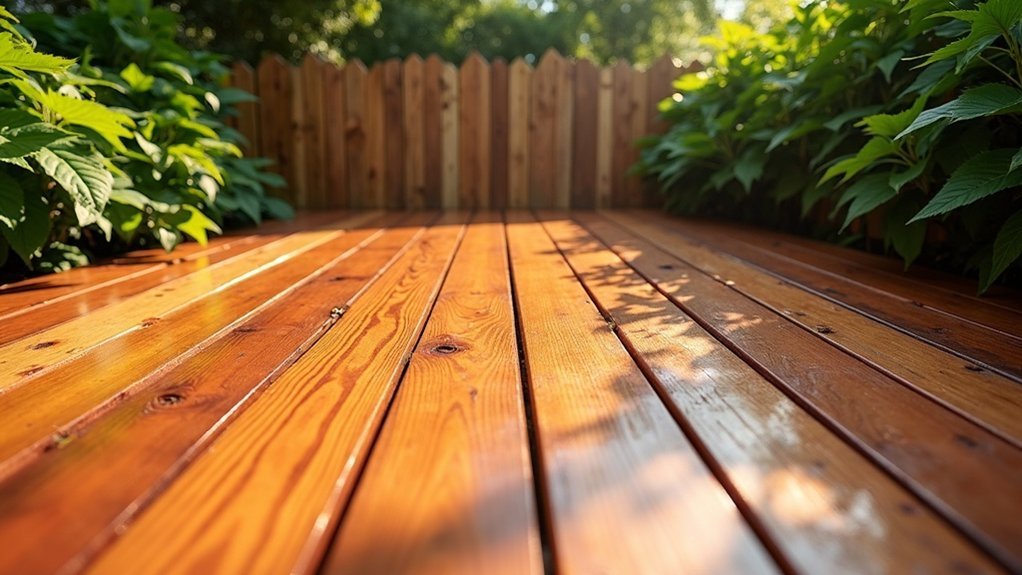
Opt for number two prime pressure-treated lumber rated for ground contact, as it can withstand harsh garden conditions for over 10 years. Avoid untreated lumber, which deteriorates quickly and could lead to costly replacements during critical times.
Modern pressure-treated lumber is safe, utilizing copper for treatment instead of harmful chemicals, making it a reliable choice for prepping.
Alternatively, consider naturally rot-resistant woods like redwood, cedar, or cypress; although they come at a premium, their durability can be invaluable in a survival situation.
For the best functional quality, position the boards with the most robust face up during assembly, creating a resilient and visually appealing raised garden bed that serves your needs for self-sufficiency.
Step-by-Step Assembly Process
Once you’ve selected your durable materials, it’s time to assemble your raised beds, an essential part of your survival gardening strategy.
Start by pre-cutting your long boards into specified lengths: four 7 ft boards and four 4 ft boards. Assemble two identical halves, stacking the boards flush with the best face up to ensure they hold up against the elements.
Pre-drill screw holes at each joint to prevent splitting, which is crucial for maintaining structural integrity over time. Use 14-inch long 2x4s for bracing, placing them at strategic points to enhance stability and correct bowing.
Finally, align and secure the halves together, ensuring all components are flush and uniform. This creates a sturdy, reliable raised bed ready to support your self-sufficiency and gardening efforts in any survival situation.
Soil Preparation and Filling Techniques
Soil preparation is a crucial aspect of establishing a sustainable raised bed garden, particularly for those focused on survivalism and prepping.
Begin by enriching the existing subsoil, which can be vital for long-term food security. Amend the subsoil with chicken manure, compost, and topsoil to enhance nutrient content and improve overall texture. Incorporate organic materials from previous garden locations to boost soil quality and encourage healthy microbial activity, which is essential for self-sufficiency.
Once the raised beds are constructed, fill them with a blend of high-quality topsoil, compost, and organic matter to create a well-draining, nutrient-rich environment. Regularly adding compost won’t only maintain soil health but also attract beneficial earthworms, ensuring that your plants flourish in a vibrant, fertile ecosystem—an invaluable asset in any prepping strategy.
Maintenance and Enhancements for Long-lasting Beds
To ensure your raised beds remain a reliable source of food during uncertain times, regular maintenance is crucial. Routinely inspect your lumber and replace any deteriorating parts to preserve structural integrity.
Boost soil health by regularly incorporating organic materials and compost, which can enhance nutrient availability. Implementing crop rotation is essential to prevent soil depletion and reduce pest populations, promoting resilience in your crops.
Consider adding practical accessories like soaker hoses for efficient irrigation and row covers to shield plants from pests and harsh weather conditions. Keep pathways around the beds clear to facilitate proper drainage and use hardware cloth to protect against intruders.