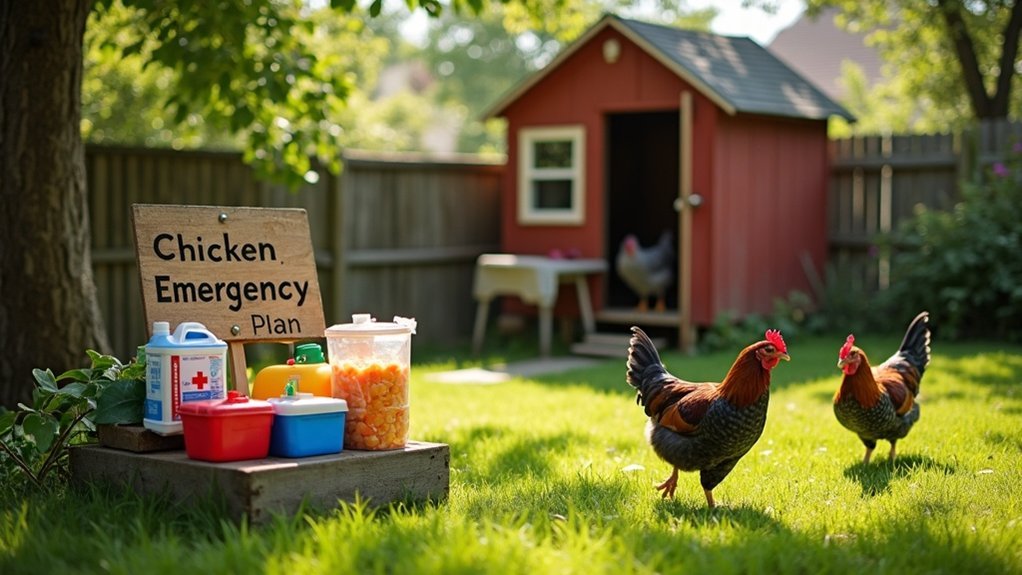
To create a robust chicken emergency plan, begin by assessing potential risks such as wildfires, floods, or other natural disasters that could threaten your flock. Carefully review the location and construction of your coop to ensure it can withstand these threats. Develop a comprehensive evacuation strategy, identifying secure locations where your chickens can be relocated, and establish clear communication protocols for you and your support team.
Stockpile essential emergency supplies, including a first aid kit specifically for chickens, ample food, and portable waterers to ensure your flock’s hydration during emergencies. Reinforce your coop using durable materials and conduct regular inspections to identify and mitigate vulnerabilities. Stay vigilant by monitoring local weather alerts and connecting with community resources that can offer assistance during crises. By proactively implementing these measures, you will be well-prepared to protect your flock and enhance your overall survival readiness.
Key Takeaways
- Assess potential risks such as wildfires, floods, and other natural disasters, while thoroughly evaluating your coop’s location and construction for its resilience against emergencies.
- Develop a robust evacuation strategy that includes secure relocation sites, effective communication plans, and assigned roles to ensure swift and organized action during a crisis.
- Prepare a comprehensive emergency supply kit stocked with essential items like food, water, first aid supplies, and portable enclosures, sufficient for at least two weeks to support your chickens.
- Conduct regular inspections and enhancements of the coop to ensure it can endure severe weather conditions and maintain a secure environment for your flock.
- Build connections with local survivalist communities and emergency response teams to access valuable support and resources during times of crisis.
Assessing Risks and Hazards
When preparing for your chickens’ survival, it’s crucial to assess the unique risks and hazards present in your area, as these factors will significantly influence your emergency response plan.
Begin by identifying common disasters such as wildfires, floods, or earthquakes that could pose a threat to your backyard poultry.
Carefully evaluate your coop’s location and construction to ensure it can withstand flooding and high winds.
Consider transportation obstacles during severe events, as these may complicate evacuation efforts for your chickens in distress.
Stay vigilant by monitoring weather forecasts and local emergency alerts, allowing you to respond promptly and bolster your disaster preparedness effectively.
Developing an Evacuation Strategy
When developing an evacuation strategy for your homestead, it’s vital to identify secure locations where your chickens can be transported during an emergency.
Establishing clear communication plans ensures that everyone involved knows the designated safe zones and how to maintain contact throughout the evacuation process.
This meticulous preparation is essential for a smooth and efficient evacuation, reinforcing your readiness in any crisis.
Identifying Safe Locations
How can you ensure your chickens remain safe during an emergency?
Start by identifying multiple secure locations for evacuation that are easily accessible and suitable for your backyard chickens. Research local shelters or farms that are prepared to accept evacuated chickens during crises.
Develop a comprehensive evacuation route map that considers potential hazards such as flooded areas or blocked roads. Practice this route with your family members to ensure everyone knows their role.
Assign specific tasks to individuals, such as transporting injured chickens and gathering essential supplies.
Lastly, regularly review and update your evacuation strategy to adapt to changing conditions and ensure your plan remains effective.
Establishing Communication Plans
What steps will you take to ensure effective communication during an emergency?
Begin by establishing a robust communication plan that includes essential emergency contact numbers for family members, local veterinarians, and nearby survival groups.
Ensure that everyone involved in the care of your chickens understands their specific roles and responsibilities during a crisis.
Create a detailed map of evacuation routes and alternative housing locations, distributing copies to all family members for quick reference.
Designate a primary point of contact to streamline decision-making and minimize confusion.
Leverage group messaging apps or two-way radios for real-time updates, particularly during power outages.
Regularly review and practice your emergency evacuation strategy, focusing on safely transporting your chickens and setting up temporary enclosures to ensure their well-being.
Preparing Emergency Supplies
While emergencies can strike unexpectedly, being proactive in preparing emergency supplies for your chickens is crucial to ensure their survival during crises.
Being prepared with emergency supplies is essential for ensuring your chickens’ survival during unexpected crises.
Here’s a comprehensive list of what you should include in your preparedness supplies:
- Chicken first aid kit: Equip it with essential items like Vetericyn, non-stick gauze, antiseptics, and the contact information for a veterinarian who specializes in poultry.
- Food and water: Stockpile at least two weeks’ worth of feed, along with portable waterers that can be easily transported. Consider including high-energy treats to keep your chickens nourished.
- Temporary enclosures: Construct durable and secure enclosures using weather-resistant materials to protect your chickens from predators and harsh conditions.
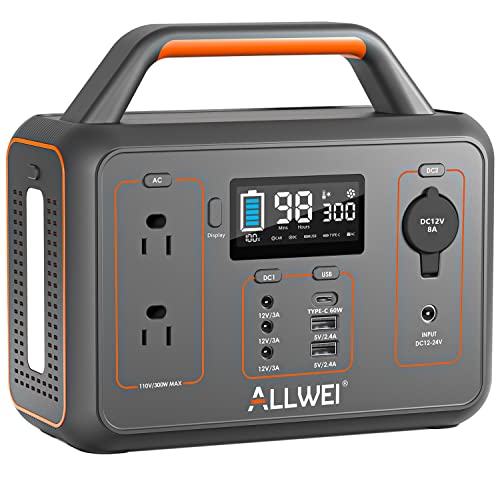
- Batteries and lighting: Ensure that flashlights, lanterns, and battery-operated radios are in working order for power outages, along with extra batteries to keep your equipment functional.
- Regular inventory checks: Conduct consistent assessments of your supplies to ensure everything is replenished and ready for immediate use.
Securing Your Chicken Coop
After ensuring you have adequate emergency supplies, the next crucial step in your survival plan is to secure your chicken coop.
Choose a well-drained, elevated location to reduce the risk of flooding and maintain dry nesting areas for your poultry. Construct your coop using hurricane-resistant materials and reinforce it with auger anchors or hurricane straps to withstand strong winds and adverse weather conditions.
Regularly inspect your coop for wear and tear; reinforce joints and add cross-bracing to enhance stability. Make sure all doors and openings are securely latched or locked, and consider using plywood barriers to protect against wind-driven rain.
Additionally, maintain a clear perimeter around the coop to eliminate hazards from falling branches, thereby minimizing the risk of injury to your birds and ensuring their safety during emergencies.
Monitoring Weather and Local Alerts
To ensure your chickens are protected during severe weather events, it’s crucial to continuously monitor weather conditions and local alerts. Here’s how you can stay prepared:
- Regularly check the National Weather Service for reliable forecasts to anticipate potential threats.
- Sign up for community alert systems to receive real-time updates on emergencies in your area.
- Utilize weather apps that provide push notifications for severe alerts, keeping you informed even on the go.
- Stay tuned to local news stations and social media for any evacuation orders or safety recommendations.
- Keep a weather radio in the coop to maintain communication and receive updates during power outages, ensuring you can respond quickly to any situation.
Post-Storm Inspections and Care
After a storm, it’s crucial to conduct a thorough inspection of your chicken coop to ensure it remains a safe haven for your flock.
Begin by examining all structural components, including doors, windows, and ventilation openings, for any potential damage that could compromise security.
Additionally, assess your chickens for injuries or signs of distress; this is essential for maintaining their health and well-being.
A proactive evaluation won’t only help you identify any immediate care needs but also reinforce your preparedness for future emergencies, ensuring your birds remain safe and healthy in any situation.
Inspect Coop Structure
Following a storm, conducting a thorough inspection of your chicken coop is crucial for ensuring the safety and well-being of your flock, especially in the context of survivalism and prepping. Here’s what to focus on:
- Structural Integrity: Examine the coop for any signs of structural damage, such as cracks, loose boards, or weakened support beams that could compromise its stability.
- Roof Inspection: Assess the roofing for any damage resulting from high winds or falling debris, as a secure roof is vital for protecting your chickens from the elements.
- Water Intrusion: Identify potential water entry points by checking for dampness or mold. Ensuring your coop remains dry is essential for the health of your flock and for maintaining food supplies.
- Security Measures: Verify that all doors, latches, and openings are secure to prevent escapes or predator access. This is critical in a survival scenario where threats may increase.
- Debris Clearance: Remove any fallen branches or debris around the coop to prevent injuries and maintain a safe environment for your chickens.
Regular inspections and maintenance of your coop will help ensure your flock remains healthy and secure, contributing to your overall preparedness.
Assess Chicken Health
Once the storm has passed, it’s crucial to assess your chickens’ health to ensure they’ve survived the conditions without significant harm, especially in a survival situation.
Begin by inspecting each bird for injuries like cuts or bruises, providing first aid as necessary. Keep a vigilant eye on your flock for any signs of distress, such as respiratory issues or lethargy, which could indicate stress or the onset of infectious disease.
Ensure that their feed and water supplies are clean and uncontaminated, as spoiled provisions can lead to illness and jeopardize your self-sufficiency.
Document any health issues and treatments administered to monitor recovery and refine your future backyard health management strategies, which are vital for maintaining a resilient and sustainable food source.
Community Support and Resources
When you engage with local chicken-keeping communities, whether online or in-person, you tap into a wealth of knowledge and shared experiences that can significantly bolster your emergency preparedness as a survivalist.
Leverage community support to ensure you’re well-equipped for any situation. Consider these crucial resources:
- Attend agricultural extension workshops focused on poultry disaster preparedness to enhance your skills.
- Establish connections with local veterinary clinics for emergency care and vital hazard information.
- Participate in online forums dedicated to exchanging emergency supplies and evacuation routes with fellow preppers.
- Collaborate with community emergency response teams to create a collective safety plan.
- Utilize diagnostic labs for any health concerns that may arise after a disaster, ensuring your flock remains healthy.
These connections are essential for safeguarding your flock and enhancing your overall preparedness strategy.