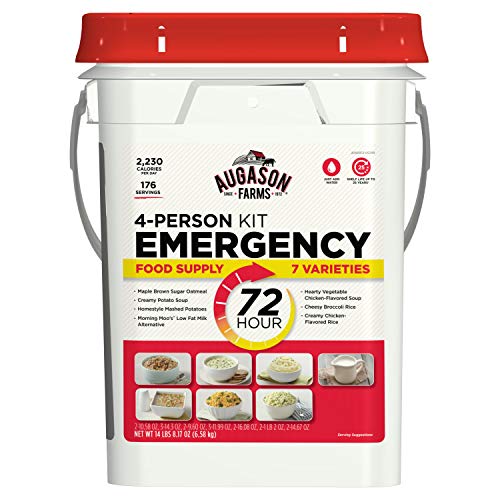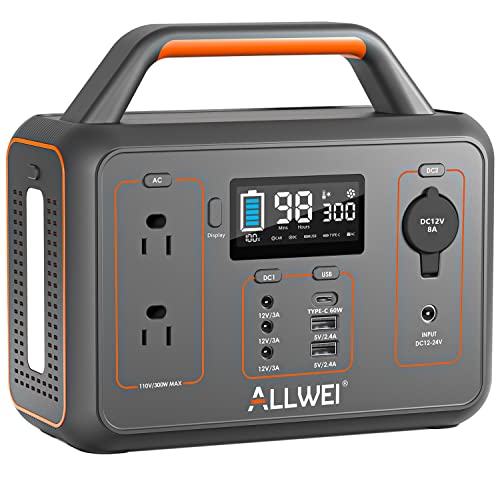
To barter fairly and ethically during shortages in a survivalist and prepping context, assess the value of goods based on their condition, demand, and potential utility in emergency situations. Foster trust through open communication about item quality and guarantee transparency in negotiations to ensure all parties understand the importance of the goods being exchanged. Clearly articulate your needs, such as food, water, or essential supplies, and what you can offer in return, prioritizing local, sustainable sources to bolster your community’s resilience. Negotiate terms that reflect mutual benefits, considering the practical survival needs of both parties, and always keep detailed records of trades. Understanding these principles will enhance your bartering experience and strengthen community ties during challenging times. Discover more about effective bartering strategies for preparedness.
Key Takeaways
- Communicate openly about the quality and condition of goods to set clear expectations and foster trust in bartering exchanges, crucial for survival scenarios.
- Assess the scarcity and emotional value of items to determine fair trade values during shortages, ensuring you prioritize essential survival resources.
- Start with smaller trades to build reliability and trust before engaging in larger, more significant exchanges, which can be vital in a prepping community.
- Maintain transparency and accountability by keeping detailed records of trades and agreed-upon terms, important for long-term survival strategies.
- Engage actively with the prepping community to build networks and share resources, enhancing support and resilience during shortages.
Understanding the Basics of Bartering
Bartering, while seemingly straightforward, is a critical skill for survivalists and preppers that requires a solid grasp of its fundamental principles to ensure fair exchanges in times of need.
In a bartering community, especially during emergencies or resource shortages, you rely on trust and mutual agreement to exchange valuable barter items—goods and services—without the use of money.
Clear communication about the value of what you’re offering is essential; both parties must feel satisfied with the trade to maintain a healthy relationship and community resilience.
Ethical bartering emphasizes honesty, ensuring you disclose any potential issues with your items or services, such as quality or usability.
Understanding the other party’s needs enhances the effectiveness of each exchange, making it more equitable and beneficial for everyone involved in a survival scenario.
Assessing the Value of Goods and Services
Evaluating the value of goods and services in a bartering system, especially within the context of survivalism and prepping, requires a thorough analysis of several crucial factors that can affect perceived worth.
When engaging in bartering, it’s essential to consider the scarcity of items; essential goods such as food, personal hygiene supplies, and first aid essentials become increasingly valuable during times of crisis or shortages.
In times of crisis, the scarcity of essential goods like food and hygiene supplies significantly increases their bartering value.
Historical benchmarks, like gold or silver, can still serve as a reference point for assessing the value of your items in a survival scenario.
Moreover, the condition of your goods is paramount—well-maintained and functional items are typically more sought after.
Lastly, don’t overlook the emotional factors; comfort items like coffee or chocolate can carry significant bartering value during challenging times, as they can provide psychological relief and a sense of normalcy.
Establishing Trust and Transparency
When engaging in barter within the survivalism and prepping community, establishing trust and transparency is vital for successful exchanges, particularly during times of scarcity.
Open communication about the quality and value of essential goods or services ensures that both parties have a clear understanding of expectations. Providing detailed descriptions and provenance of items builds credibility, which is essential when dealing with critical supplies.
Keeping meticulous records of exchanges not only maintains accountability but also strengthens trust over time. Honest negotiations create fair expectations, preventing misunderstandings that could jeopardize vital relationships.
It’s advisable to start with smaller trades to assess reliability and quality, thereby laying a solid foundation for more significant exchanges as your barter relationships evolve in the prepping community.
Communicating Needs and Resources
Effective communication of your needs and resources is crucial in survivalism and prepping, particularly within a community where trust and transparency are vital for mutual support.
Clearly articulate what you require for your preparedness efforts and what you can offer in return, as this openness fosters trust and facilitates effective negotiation. Use specific language to describe your goods or services, ensuring that both parties understand their value in a survival context.
Articulate your needs and offerings clearly to foster trust and facilitate effective negotiations within your survival community.
Actively listen to the other party’s needs to establish mutually beneficial terms that enhance overall readiness. Consider the urgency of your needs, especially in emergency situations, and maintain open communication throughout the process, addressing any concerns or adjustments needed.
This approach reinforces a fair and ethical exchange that strengthens the resilience of the community as a whole.
Identifying Local and Sustainable Sources
Identifying local and sustainable sources is crucial for effective survivalism and prepping within your community.
Begin by researching local farmers’ markets and community-supported agriculture (CSA) programs to find fresh, nutritious produce that can serve as essential barter items in emergencies.
Connect with local gardening groups to exchange seeds, tools, and knowledge, enhancing your self-sufficiency and food resilience.
Leverage apps and websites that link you with local producers, ensuring that your supplies are ethically sourced and sustainable.
Explore local co-ops or food hubs that focus on sustainability and offer a range of goods ideal for long-term storage.
Attend workshops centered on food independence and survival skills to network with fellow preppers and deepen your understanding of ethical sourcing options amidst potential supply chain disruptions.
Negotiating Fair Terms for Exchange
Negotiating fair terms for exchange in the context of survivalism and prepping requires a clear understanding of each party’s needs and the value of the items or services involved.
Begin by discussing the condition, quantity, and preparedness value of goods to prevent misunderstandings. Consider current market demand, particularly for essential survival items like food, water purification supplies, and hygiene products, which can hold greater value during crises.
Transparency is key—communicate openly about your reasons for the trade and the importance of the items in a survival scenario.
Be ready to adjust terms based on both parties’ needs, ensuring the barter remains equitable and beneficial. This approach fosters trust and satisfaction, making for a more ethical and respectful exchange, vital in a prepping community.
Preparing for Potential Risks in Bartering
Engaging in bartering can be a vital strategy for acquiring essential resources in survival situations; however, it’s important to prepare for potential risks that may arise during the process. Assess the value of your bartering items to prevent misrepresentation and foster trust. Establish clear terms and timelines to avoid misunderstandings that could jeopardize your preparedness efforts. Be cautious when dealing with unfamiliar individuals, particularly those who may struggle with addictions, as they can present safety risks.
| Risk Type | Mitigation Strategy |
|---|---|
| Misrepresentation | Accurately assess item values |
| Misunderstandings | Set clear and concise terms |
| Safety concerns | Cultivate trustworthy relationships |
Additionally, diversify your inventory with essential supplies, including food, water purification methods, and medical aid, to effectively navigate potential shortages and enhance your survival strategy.
Building a Supportive Bartering Community
Building a supportive bartering community for survivalism and prepping focuses on establishing trust and open communication among participants. Engage with local producers, service providers, and fellow preppers to create a reliable network for sharing resources and skills essential for self-sufficiency.
Attend community events and workshops to exchange knowledge on survival techniques, enhancing bartering opportunities for goods like food, tools, and emergency supplies. Develop a shared inventory list of desired items and services among community members to streamline exchanges and ensure everyone’s needs are met.
Encourage discussions about individual skills, preparedness strategies, and ethical considerations to foster transparency and accountability. Additionally, establish a code of ethics for bartering to guarantee fair exchanges, ensuring that all members are treated fairly.