Yes, tap water typically needs treatment after a pipe break, especially for those focused on survivalism and prepping. During a disruption, contaminants like dirt and bacteria can infiltrate the water supply, posing a risk to your health. It’s crucial to follow boil water advisories to eliminate harmful pathogens and ensure your family’s safety. Flushing your taps is essential to remove sediment and impurities, which could compromise your drinking water quality. Regularly testing your water for contaminants is also recommended to maintain preparedness. Familiarizing yourself with effective treatment steps and best practices for managing water safety after a pipe break is vital for any prepper looking to stay self-reliant and secure.
Key Takeaways
- Yes, tap water needs treatment after a pipe break to safeguard against contaminants such as dirt and bacteria, which can threaten your family’s health in survival situations.
- A boil water advisory is often issued to eliminate pathogens and reduce the risk of illness, an essential step for those preparing for emergencies.
- Flushing taps for several minutes is a practical method to remove sediments and enhance water quality, crucial for maintaining a safe supply during times of crisis.
- Disinfecting exposed pipe surfaces with a chlorine solution is vital for ensuring water safety, a key practice for anyone focused on preparedness.
- Regular bacteriological testing is necessary to confirm the absence of harmful bacteria post-break, helping you stay vigilant about your water supply’s safety in any survival scenario.
Understanding Water Main Breaks and Their Impact
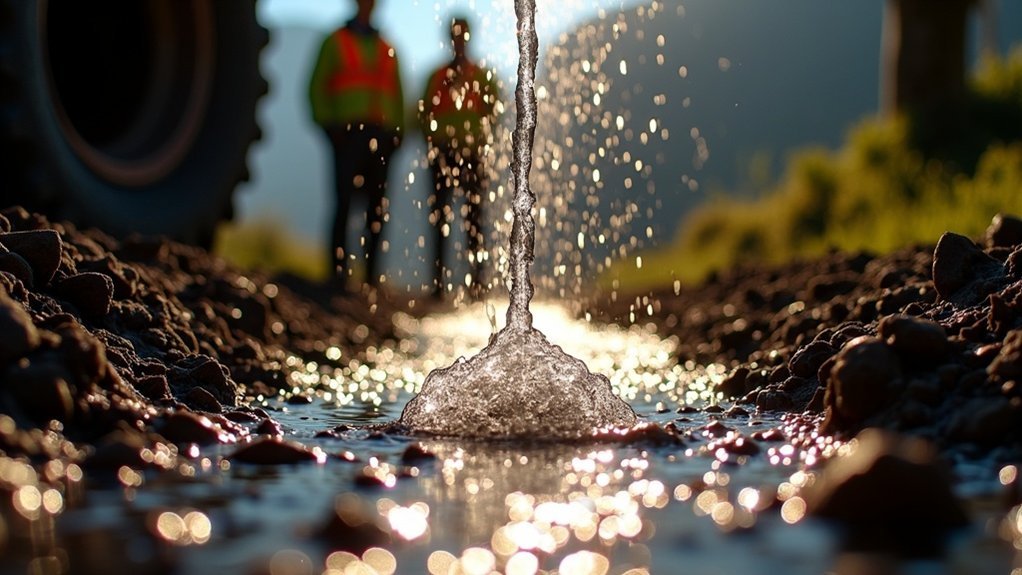
When you notice a sudden drop in water pressure or see unexplained pooling in the streets, it may indicate a water main break, which can release thousands of gallons of water per minute.
Aging infrastructure, particularly brittle cast-iron and concrete pipes, often contributes to these breaks. In a survival situation, it’s crucial to be aware of these signs, as flooding could compromise your water supply.
Aging cast-iron and concrete pipes can lead to water main breaks, threatening your essential water supply in emergencies.
Additionally, discolored water coming from your tap can signify contaminants, rendering it unsafe to drink. Recognizing these indicators quickly is essential to mitigate further damage and ensure you have a safe water source during and after repairs.
Being prepared with alternative water storage and purification methods can help you stay self-sufficient in the face of such emergencies.
Importance of Water Treatment After a Break
While a water main break might appear to be a minor inconvenience, the significance of treating tap water afterward is critical for anyone focused on survival and preparedness. Contaminants such as dirt and bacteria can easily infiltrate your water supply, creating serious health risks. It is crucial to heed boil water advisories and flush your taps for several minutes after the system is restored. Always be on the lookout for discoloration or unusual odors as these can be signs of contamination. Additionally, replacing refrigerator and inline filters is essential to eliminate any trapped impurities.
| Action Required | Importance |
|---|---|
| Boil Water | Kills potential pathogens, ensuring safe drinking water |
| Flush Taps | Removes sediment and contaminants, enhancing water quality |
| Inspect Water | Identifies visible signs of issues, crucial for health safety |
| Replace Filters | Prevents bacteria buildup, maintaining clean water supply |
Being prepared means knowing how to respond effectively to emergencies like water main breaks to ensure your family’s safety and health.
Steps for Disinfection and Flushing
To ensure your tap water is safe following a water main break, it’s crucial to follow a systematic approach to disinfection and flushing, especially in preparation for any emergencies.
Begin by disinfecting exposed pipe surfaces with a minimum 1% chlorine solution to eliminate harmful bacteria that could compromise your water supply.
Next, thoroughly flush all taps for several minutes to remove sediment and contaminants that may have infiltrated the system.
Continue flushing until the water runs clear, which indicates that residual chlorine and impurities have been eliminated.
Finally, conduct bacteriological testing to confirm the absence of coliform bacteria before using the water for consumption.
This process is vital for protecting your health and ensuring the safety of your water supply, which is essential for any survival situation.
Monitoring Water Quality Post-Repair
Monitoring water quality after a water main break is crucial for ensuring the safety of your drinking water, especially for those who prioritize self-sufficiency and preparedness.
Begin by flushing your taps for several minutes to eliminate any sediment or contaminants that may have entered your system. It’s vital to check for chlorine residual levels, as these indicate successful disinfection, an important factor in maintaining a reliable water source.
Flushing taps and checking chlorine levels are essential steps to ensure your water remains safe and reliable after a main break.
Be on high alert for signs of discoloration, cloudiness, or unusual odors, as these may signal contamination that could compromise your health and survival.
In the event of a water main break, adhere to any boil water advisories diligently. Boil your tap water for at least one minute to ensure it’s safe for consumption until you can verify its quality.
For those committed to preparedness, regular bacteriological testing is essential to confirm that no coliform bacteria are present, safeguarding both your health and the quality of your water supply.
Always be ready to take action to protect your resources and ensure your survival.
Customer Guidelines for Water Safety
After a water main break, it’s crucial to adhere to specific survival guidelines to ensure your safety and preparedness.
During a boil water advisory, you should boil your water for at least one minute before using it for drinking or cooking, as this will help eliminate harmful pathogens.
Once water service resumes, it’s essential to flush your taps for several minutes to remove any potential contaminants from the system, ensuring that your water supply is safe for use.
Always be prepared with additional water storage and purification methods to safeguard against future emergencies.
Boil Water Advisory
In the event of a water main break, it’s essential for survivalists and preppers to be aware of the serious implications of a boil water advisory that typically follows. This advisory is a critical measure to safeguard your health.
During this period, ensure you boil tap water for at least one minute before using it for drinking or cooking. Be particularly cautious and avoid using tap water for bathing infants or individuals with compromised immune systems, as this can lead to serious health risks.
As a prepper, it’s wise to limit water-consuming activities such as washing dishes or laundry until the advisory is lifted to conserve your resources.
Stay vigilant by monitoring local water utility communications for updates and news regarding the situation. Once the advisory is lifted, make sure to thoroughly flush your taps to ensure the water is safe for use again.
Being prepared and informed is key to maintaining your health and safety during such emergencies.
Flushing Taps Procedure
To ensure your tap water is safe after a pipe break, flushing your taps is a crucial step that every survivalist should prioritize.
Begin by shutting off the water supply to prevent any further contamination. Next, start flushing the cold-water taps from the highest point in your home, working your way down to lower levels. This method effectively clears out any sediment or contaminants that may have entered your water system.
Continue flushing each tap for at least 5-10 minutes, monitoring the water for clarity and the absence of discoloration.
Don’t overlook the hot water taps; flush them separately to cleanse the water heater and ensure all water sources are safe.
After flushing, stay vigilant for any unusual odors or tastes in your water. If you have ongoing concerns about water quality, consider investing in a reverse osmosis filtration system as a reliable safeguard for your drinking water.
Disinfection Recommendations
Ensuring the safety of your tap water following a pipe break is crucial for survival preparedness. Here are essential disinfection recommendations to follow:
- Boil tap water for at least one minute before consumption or cooking, as it may be contaminated. This is a fundamental survival practice that can eliminate harmful pathogens.
- Flush your service lines for several minutes to remove any sediment and contaminants. This step helps ensure that your water supply is as clean and safe as possible, which is vital in emergency situations.
- Replace refrigerator water filters and inline filters to maintain water quality. Keeping your filtration systems up to date is an important aspect of prepping, ensuring you have access to clean water when you need it most.
Professional Testing and Assurance
After a water main break, it’s crucial for survivalists and preppers to ensure the safety of their water supply. Contaminants may have infiltrated the system during the incident, making it vital to collect water samples in sterile containers for thorough analysis.
Testing for coliform bacteria is essential to detect potential contamination, and bacteriological evaluations should be conducted before considering the water safe for use. Additionally, monitoring chlorine residual levels after repairs is important; adequate chlorine indicates effective disinfection, which is crucial for long-term preparedness.
Testing for coliform bacteria and monitoring chlorine levels are vital steps to ensure your water supply remains safe and prepared for future needs.
It’s advisable to flush your service lines and run taps until the water runs clear and is free from any unusual tastes or odors, ensuring safety and readiness for any future emergencies.
Always be prepared with backup water purification methods to ensure you have safe drinking water when you need it most.