Canned food can remain safe to eat well beyond its printed dates, making it an essential component of any survivalist or prepping strategy. When stored correctly, high-acid foods, such as tomatoes, can last up to 18 months past their expiration date, while low-acid foods, like beans, may endure for 2 to 5 years. It’s vital to inspect your canned goods regularly for signs of spoilage, including bulging cans or unpleasant odors. By mastering the best storage techniques for your canned supplies, you can ensure their safety and quality, providing you with reliable resources for any emergency situation. More crucial information on food storage and preservation is just ahead.
Key Takeaways
- Canned food dates primarily indicate peak flavor rather than safety; many canned goods can remain safe well beyond these dates, making them a valuable resource for survivalists and preppers.
- High-acid foods, such as tomatoes and fruits, can be safe for 12 to 18 months past their expiration dates, providing essential nutrients during emergencies.
- Low-acid foods, including vegetables and meats, can remain safe for 2 to 5 years if stored correctly, ensuring a long-term food supply.
- Regular inspection for spoilage signs, such as bulging or rust, is crucial for maintaining a reliable stockpile of canned goods.
- Proper storage in a cool, dry place not only extends the shelf life of canned goods but also enhances your preparedness for any situation.
What the Dates on Canned Foods Mean
Understanding the dates on canned foods is crucial for survivalists and preppers aiming to maintain quality and safety in their food storage. The date labels primarily indicate when a product is at its peak flavor, not necessarily its safety.
According to the USDA, “use by” and “sell by” dates suggest ideal quality. High-acid foods, such as tomatoes, can often remain good for 18 months past these dates, making them reliable staples for long-term storage.
Low-acid foods, including meats and vegetables, can last anywhere from 2 to 5 years, providing essential nutrition during emergencies.
Regular inspection of your food supplies is important; look for signs of spoilage like bulging or rust.
Keep in mind that even if the taste diminishes over time, these canned foods may still be safe to eat, ensuring you’re prepared for any situation.
How Long Does Canned Food Last?
Canned food is an essential component of any survivalist or prepping strategy, as it can last for many years, often exceeding the dates printed on the labels. The longevity of canned goods largely depends on the type of food and the storage conditions. High-acid foods, such as tomatoes, are best consumed within 12 to 18 months past their safe date.
In contrast, low-acid items like meats and vegetables can maintain peak quality for 2 to 5 years, making them ideal for long-term food storage.
To maximize the shelf life of your canned goods, store them in a cool, dry place, away from direct sunlight. Regularly inspect your supplies for signs of spoilage, including bulging or rust on the cans.
When to Get Rid of Canned Food
Knowing when to get rid of canned food is crucial for maintaining safety in your survival pantry. Always check for these signs:
- Leaking, bulging, or severely dented cans may indicate a risk of spoilage, which can compromise your emergency food supply.
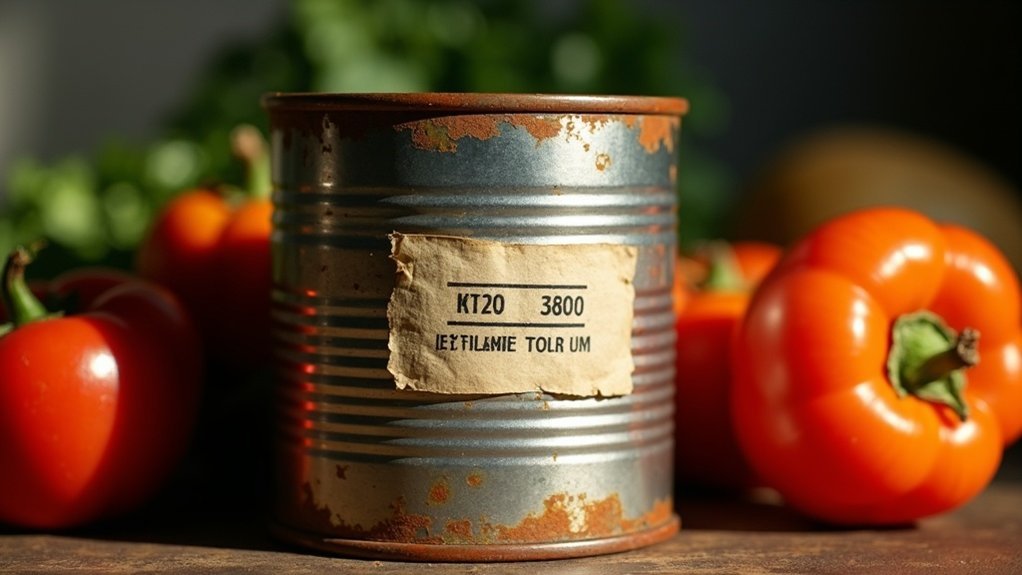
- Extensive rusting can weaken the integrity of canned goods, making them unsafe for consumption.
- A foul odor or liquid spurting from the can is a clear sign of spoilage and shouldn’t be ignored.
- High-acid foods, such as tomatoes and citrus, should be discarded after 18 months past the expiration date to ensure optimal safety and nutrition for your prepping stockpile.
Staying vigilant about your canned goods will help ensure you’re always prepared for any situation.
The Right Way to Store Canned Food
Proper storage of canned food is essential for survivalists and preppers to ensure both safety and longevity. Store your canned goods in a cool, dry place, ideally between 50°F and 70°F, to prevent spoilage.
It’s crucial to avoid areas with extreme temperature fluctuations, such as near stoves or other heat sources. The USDA advises keeping canned food away from direct sunlight and moisture, as these factors can degrade the quality of your supplies.
Regularly inspect your stockpile for any damaged cans, such as deep dents, rust, or bulging, as these can compromise the safety of the food inside.
Once opened, transfer the contents to a suitable storage container and refrigerate, consuming within 3 to 4 days to ensure maximum safety.
Properly maintaining your canned food storage is a vital component of effective prepping and self-sufficiency.
Signs That Canned Food Might Not Be Safe
When evaluating your canned goods as part of your survival preparedness, it’s essential to be aware of certain signs that could indicate safety concerns.
Stay alert for these indicators of spoilage that could compromise your food supply:
- Bulging cans: A swollen can may indicate contamination, which can be dangerous in a survival situation.
- Deep dents: Dents larger than 1/2 inch can jeopardize the integrity of the seal, potentially leading to spoilage and foodborne illness.
- Significant rust: If rust can’t be wiped off, it’s best to discard the can to avoid health risks.
- Foul odors: Any milky liquids or unusual smells are strong warnings of food spoilage and shouldn’t be ignored.
In a survival scenario, ignoring these warning signs could jeopardize your health and safety.
Ignoring signs of spoilage in your food supply can seriously endanger your health and safety during a survival situation.
Always prioritize food safety to ensure you and your loved ones are protected, especially when dealing with home-canned goods or items that are past their expiration dates.
Properly managing your food storage is a critical aspect of effective prepping.