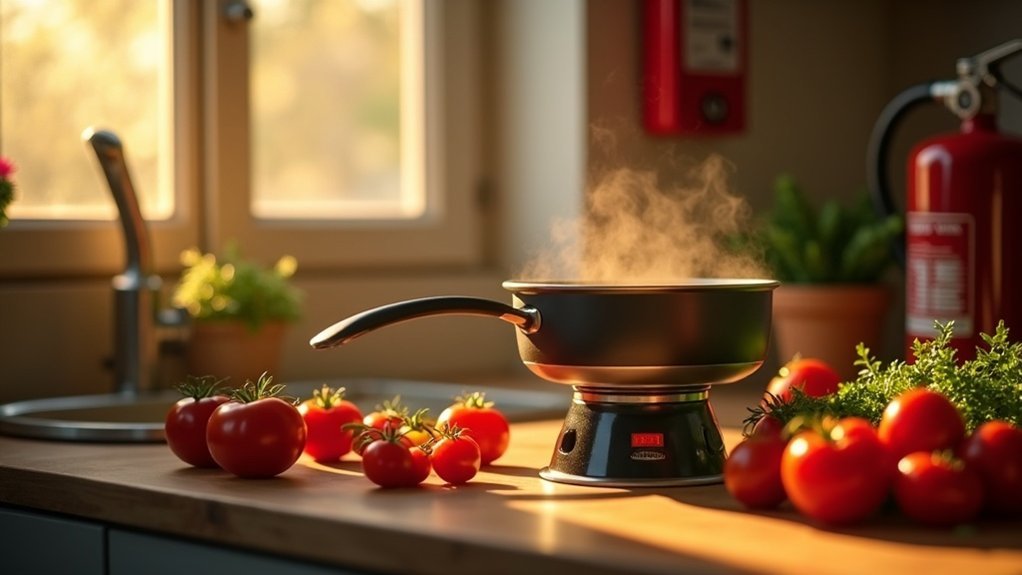
Yes, you can cook indoors with a camp stove safely, especially for survival situations or prepping scenarios, but you must take necessary precautions. Always ensure proper ventilation by opening windows and keeping a smoke detector and fire extinguisher readily accessible. Opt for a model with a BTU rating under 7,650 to minimize harmful emissions. Never leave the stove unattended, and maintain a distance of at least 3 feet from any flammable materials. For those interested in enhancing their preparedness and knowledge about safe cooking options, continue to explore this essential topic.
Key Takeaways
- Ensure the camp stove has a BTU rating under 7,650 for safe indoor use to minimize harmful outputs, especially in survival scenarios where air quality is crucial.
- Always cook in a well-ventilated area by opening windows or using fans to reduce carbon monoxide risks, which can be vital during emergencies when proper ventilation may be limited.
- Keep a fire extinguisher and smoke detector nearby, and check their functionality regularly to enhance safety in your preparedness plan.
- Never leave the stove unattended while cooking indoors to prevent dangerous situations, as vigilance is key in survival situations.
- Consider using alternatives like electric stoves or denatured alcohol stoves for safer indoor cooking options, especially if power sources are available in your prepper’s toolkit.
Safety Guidelines for Indoor Camp Stove Use
When you decide to cook indoors with a camp stove, it’s essential to prioritize safety to prevent accidents, especially in a survival or prepping situation. Follow these crucial safety guidelines to ensure a secure cooking environment.
First, ensure proper ventilation by opening windows or doors to minimize carbon monoxide buildup, which is vital in any survival scenario. Avoid using camping stoves in tents or confined spaces to reduce fire hazards and toxic gas emissions.
Ensure proper ventilation by opening windows or doors to prevent carbon monoxide buildup; avoid using camp stoves in tents or confined spaces.
Select models with a BTU rating under 7,650 to limit harmful outputs, as this can be crucial when resources are limited. Always keep a functioning smoke detector and fire extinguisher nearby, checking them regularly to maintain readiness.
Never leave a camp stove unattended during indoor cooking; gas leaks or inadequate ventilation can quickly escalate into dangerous situations. Stay safe while cooking and be prepared for any emergency!
Choosing the Right Camp Stove for Indoor Cooking
Cooking indoors in a survival situation requires not only strict adherence to safety protocols but also a strategic selection of the right camp stove. For safe indoor use, opt for models with a BTU rating under 7,650, as they generate less heat and are less likely to cause overheating in confined spaces.
Alcohol stoves or electric options are particularly suitable, as they produce minimal carbon monoxide, making them safer alternatives when resources are limited.
Consider portable backpacking-style propane stoves that connect to compact fuel tanks, ensuring ease of use and management in a survival scenario.
Always prioritize stoves equipped with essential safety features, such as flame failure devices or automatic shut-off valves, to mitigate risks.
Most importantly, confirm that your chosen camp stove is certified for indoor use to meet safety standards and reduce hazards, ensuring you’re prepared for any situation that may arise.
Essential Safety Precautions to Follow
While using a camp stove indoors can be practical in a survival situation, it’s essential to adhere to crucial safety precautions to prevent accidents.
First, select a stove with a BTU rating under 7,650, as higher ratings pose significant risks for indoor use. Always ensure adequate ventilation by opening windows or using fans to minimize carbon monoxide buildup.
Choose a camp stove with a BTU rating under 7,650 and ensure proper ventilation to reduce carbon monoxide risks.
Maintain a minimum distance of 3 feet from flammable materials, and never leave the stove unattended while cooking indoors.
Additionally, keep a fire extinguisher and a functional smoke detector readily accessible to respond swiftly in case of an emergency.
Prioritizing safety is paramount in any survival scenario!
Alternatives to Traditional Camping Stoves
What’re the best alternatives to traditional camping stoves for indoor cooking in a survival situation?
Denatured alcohol stoves are a favored choice among preppers, as they burn cleanly and minimize gas leak risks, making them a safe option for indoor use.
Canned heat sources, like Sterno, provide a compact alternative but necessitate a small cooking surface due to their nearly invisible flame.
Electric stoves are excellent for indoor cooking, as they produce no harmful gases and eliminate the risk of carbon monoxide, which is crucial in a survival scenario.
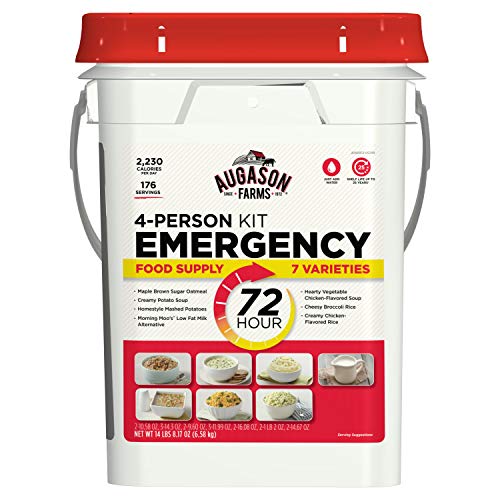
For those seeking no-cook solutions, Meals Ready to Eat (MREs) offer convenient, ready-to-eat options ideal for emergency preparedness.
Lastly, wood-burning stoves can be effectively used indoors if they’re properly vented with an exhaust system.
Always ensure that a carbon monoxide detector is installed to enhance safety in your preparedness plan.
User Experiences and Recommendations
How do survivalists navigate the challenges of cooking indoors with camp stoves? Many emphasize the critical importance of proper ventilation to mitigate carbon monoxide risks, especially in emergency situations.
Some preppers find success using small canister stoves for short cooking sessions, but they always ensure that windows are open to maintain airflow.
Recommendations frequently highlight electric skillets as safer alternatives, as they eliminate gas emissions and simplify cooking processes during times of crisis.
Positive feedback also mentions single burner stoves, which provide compactness and precise control, making them ideal for limited spaces.
Users strongly advise keeping a fire extinguisher and smoke detector nearby to enhance safety in any indoor cooking scenario.