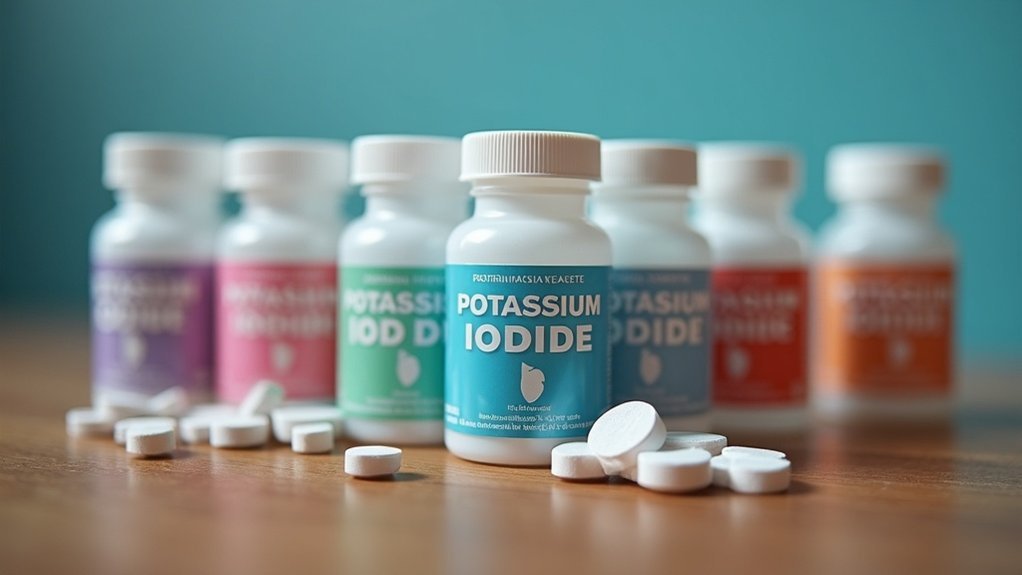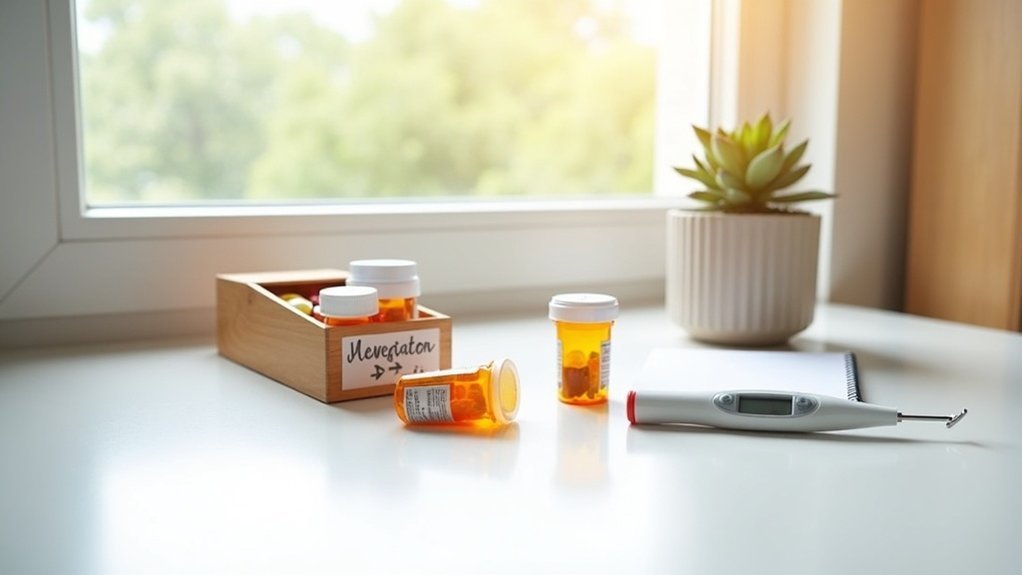
You can store chronic medications safely by keeping them in a cool, dry place, away from moisture and heat. Avoid storing them in bathrooms or near hot appliances, as these environments can compromise their effectiveness. Regularly check for changes in color, texture, or expiration dates to ensure potency, especially in a survival situation where access to replacements may be limited. It’s essential to keep medications secured from children and pets, using childproof caps if necessary. For further insights on effective storage practices and safety measures in a prepping context, consider exploring additional resources on medication management and preparedness strategies.
Key Takeaways
- Store chronic medications in a cool, dry place, away from humidity and direct sunlight to ensure their long-term effectiveness during emergencies.
- Utilize childproof caps and secure storage solutions to safeguard medications from children and pets, especially in survival situations where access may be unpredictable.
- Regularly inspect medications for any changes in color, texture, or smell, as these could indicate degradation, which is critical for maintaining health in a survival scenario.
- Maintain an updated inventory of medications and monitor storage conditions as part of your emergency preparedness plan, ensuring you have what you need when it matters most.
- Dispose of expired medications responsibly through community drug take-back programs to minimize risks and maintain safety in your survival supplies.
Importance of Proper Medication Storage
When you store chronic medications properly, you significantly enhance their effectiveness and safety—critical factors for any survivalist or prepper. Environmental conditions like heat and humidity can deteriorate medications, making proper storage paramount in a survival situation.
Secure your medications in a cool, dry place, away from moisture—consider using a dedicated storage container in a climate-controlled area, such as a basement or a temperature-regulated storage shed.
Store medications in a cool, dry environment, ideally in a dedicated container within a climate-controlled space.
Regularly inspect your medications for any changes in color, texture, or smell, as these could indicate they’re no longer safe to use.
In addition, maintaining an updated list of your medications is essential for thorough planning, ensuring that you have what you need in case of an emergency.
Educate family members about the importance of these medications and their proper storage, so everyone is prepared.
Engaging with healthcare providers about specific storage needs will help ensure your medications remain effective and secure, vital for your preparedness strategy.
Recommended Storage Conditions
To ensure your medications are stored safely in a survival situation, select ideal locations that are cool and dry, such as secure kitchen cabinets or sturdy dresser drawers.
Avoid areas with high humidity, like bathrooms, as they can compromise the integrity of your supplies.
Be mindful of any special storage requirements for certain medications, such as the need for refrigeration for specific insulins.
Always check labels for unique storage instructions to ensure your medications remain effective, especially when preparing for long-term survival scenarios.
Ideal Storage Locations
Although many people might not consider it, the location where you store your chronic medications plays a crucial role in maintaining their potency and effectiveness, especially in a survival situation. Store your medications in a cool, dry place, such as dresser drawers or kitchen cabinets, while avoiding humid areas like bathrooms that can compromise their integrity. For medications that require refrigeration, keep them on the middle shelves of the refrigerator to ensure a stable temperature. Always check labels for specific storage instructions, and regularly monitor conditions to prepare for emergencies. Discard any medications that change in color, texture, or smell to ensure your supplies remain effective when needed most.
| Ideal Storage Locations | Notes |
|---|---|
| Dresser drawers | Cool, dry environment |
| Kitchen cabinets | Avoid humidity |
| Middle refrigerator shelf | Stable temperature |
| Avoid bathroom storage | High humidity risk |
| Check expiration date | Guarantee effectiveness |
In a survivalist context, maintaining the integrity of your medical supplies is vital for your preparedness plan.
Temperature and Humidity Control
Proper temperature and humidity control is crucial for preserving the effectiveness of your medications, especially in survival situations where access to medical supplies may be limited.
Store your medications in a cool, dry place, away from sinks, hot appliances, and direct sunlight to prevent degradation. Ideal spots include dresser drawers or kitchen cabinets, but consider using a temperature-controlled storage solution if you live in an area with extreme conditions.
For refrigerated medications, designate a specific area of the fridge, avoiding the door where temperatures can fluctuate. Use opaque containers to shield medications from light and regularly inspect them for changes in color, texture, or smell, as these could signal that improper storage conditions have compromised your supplies.
This vigilance is key to ensuring your medications remain effective when you need them most.
Special Requirements for Medications
When it comes to storing medications in a survivalist or prepping context, understanding their special requirements is crucial for maintaining their effectiveness during emergencies.
Store your medications in a cool, dry location, protected from heat, moisture, and sunlight to ensure their potency. Avoid high-humidity areas, such as bathrooms, which can compromise the integrity of medications.
Some medications, like certain insulins, require refrigeration, so be sure to store them in a stable section of your fridge or an alternative cooling solution if power is lost.
Always check labels for specific storage instructions, and conduct regular assessments of your unused medications.
Discard any that exhibit signs of degradation, such as changes in color, texture, or smell, to ensure safety and peak efficacy when you need them most.
Protecting Children and Pets
To ensure the safety of children and pets in a survivalist environment, it’s crucial to securely store all medications in locked cabinets or on elevated shelves.
Utilize childproof caps on medication containers to minimize the risk of accidental access.
Educate your family on the dangers associated with improper medication use, emphasizing the importance of keeping these substances out of reach, especially in scenarios where resources may be limited.
Additionally, consider creating a comprehensive first aid kit that’s also stored securely, preparing your family for emergencies while keeping children and pets safe.
Secure Storage Solutions
Securing medications is crucial for survivalists and preppers to ensure that vital resources are protected from accidental ingestion by children and pets. Store all prescription medications in a locked cabinet or on high shelves, keeping them safely out of reach. This not only prevents accidents but also mitigates the risk of misuse by teens, reducing the potential for drug abuse in times of crisis.
Ensure that pet medications are stored separately from human medications to avoid dangerous mix-ups that could compromise your preparedness. Regularly educate your family about the importance of medication safety and the risks associated with improper storage, especially in a survival situation.
Childproof Medication Containers
Storing medications safely is crucial for survivalists and preppers, especially when it comes to using childproof medication containers. These containers are designed to prevent accidental ingestion by children and pets, ensuring that your supplies remain secure. They often come equipped with locking mechanisms or caps that require a simultaneous pushing and twisting motion, making them difficult for little hands to manipulate.
Given that a significant portion of misused opioids comes from family and friends, securing medications in childproof containers is essential for maintaining a safe environment.
In a survival situation, clear labeling on these containers becomes even more critical, allowing caregivers and family members to quickly identify medications when time is of the essence. Regularly inspecting the condition of childproof caps is important to ensure they’re still effective.
Moreover, it’s wise to store all medications out of reach, ideally in locked cabinets or high shelves, to prevent unauthorized access and accidental use. Being prepared means taking every precaution to keep your supplies safe and secure.
Educate Family Members
While it may seem obvious, educating family members about the dangers of medications is a crucial aspect of survival preparedness, especially when considering the safety of both children and pets. Store all medications in secure, locked cabinets to prevent unauthorized access, use childproof caps, and avoid carrying them in bags where they might be misplaced. Regularly remind your family, particularly kids and teens, about the risks associated with sharing or misusing medications within the home.
| Action | Purpose | Frequency |
|---|---|---|
| Store medications securely | Prevent accidental ingestion | Always |
| Use childproof caps | Enhance safety | Every time used |
| Educate on dangers | Promote awareness | Monthly |
| Separate pet medications | Avoid harmful mix-ups | Every storage session |
| Safely dispose | Reduce risks | Whenever expired |
Assessing Medication Effectiveness
How can you ensure your medications remain effective in a survival situation? Start by regularly assessing medication effectiveness through vigilant observation.
Storage conditions are crucial; avoid hot, humid environments that can compromise potency, especially in a preparedness scenario. Regularly check expiration dates and look for any changes in color, texture, or smell, as these can indicate degradation.
Be mindful that sunlight exposure can also diminish active ingredients, particularly in transparent containers, which may be a concern if you’re storing supplies outdoors.
If you suspect your medications are losing efficacy, reevaluate their storage conditions to keep them in optimal state. Consulting with a pharmacist or healthcare provider can provide valuable insights and address concerns about medication effectiveness, ensuring you’re well-prepared for any situation.
Proper storage and monitoring are essential to guarantee your medications work as intended when you need them most.
Safe Disposal Methods for Medications
What’re the best ways to dispose of unused medications safely in a survival situation? It’s essential to consider community drug take-back programs and pharmacy return initiatives as part of your preparedness plan. These safe disposal methods help prevent opioid abuse and accidental ingestion, which can be particularly dangerous when resources are limited.
The FDA advises flushing specific medications down the toilet to avoid environmental contamination and reduce exposure risks, especially in scenarios where sanitation may be compromised.
Additionally, local law enforcement often hosts medicine take-back events, which can be a secure option for responsible disposal in your community. Properly disposing of opioids and other controlled substances is critical, as tossing them in household trash can lead to overdoses, creating unnecessary risks for your family and neighbors.
Educate yourself on disposal practices and consider participating in initiatives like National Prescription Drug Take Back Day to stay proactive in your community’s safety and well-being. Remember, being prepared includes knowing how to handle medications responsibly.
Communication With Healthcare Providers
Effective communication with your healthcare provider is essential for managing chronic medications, particularly in emergency situations.
It’s important to discuss the necessity of having an extra prescription to ensure you have a sufficient supply during unforeseen events, such as natural disasters or evacuations.
Inform your doctor about your medication storage plans; they can provide guidance on specific requirements to keep your medications safe and accessible.
Regularly update your healthcare provider on any changes in your medication regimen, as this can impact your storage needs and preparedness.
Don’t hesitate to inquire about generic substitutes for expensive medications, which can be a valuable option in a survival situation.
Lastly, work together to create a comprehensive emergency preparedness plan to ensure you can access your medications during crises.
Your proactive communication and planning are key to staying prepared.
Tapering Opioids Safely
When considering the need to taper opioids, it’s crucial to approach the process with caution and seek guidance from a healthcare provider.
Tapering opioids can help mitigate withdrawal symptoms such as flu-like effects, anxiety, and nausea, which might be particularly relevant during times of crisis or scarcity. For chronic users, a reduction of 5-20% every four weeks is typically recommended, while acute users may taper by 20-50% every few days.
Each tapering plan should be individualized, potentially taking weeks to months, to ensure that the physical and mental well-being of the user is prioritized. Regular check-ins with your physician are vital for monitoring mental health and ensuring a safe tapering process.
Additionally, it’s important to learn about proper disposal methods for opioids to prevent misuse, especially in preparedness for potential emergencies or societal disruptions.
Regular Supply Updates and Inventory Management
To ensure your chronic medications are ready for any situation, it’s crucial to perform regular supply updates and effectively manage your inventory. Assess your medications every 1-2 years, paying close attention to expiration dates to confirm their effectiveness.
A well-organized inventory allows you to monitor quantities and identify any missing items, which is vital in a survival scenario. During these updates, review any changes in prescriptions or dosages to avoid medication errors that could jeopardize your preparedness.
Safely dispose of expired or unused medications to prevent accidental ingestion or environmental harm, which is particularly important in a self-sufficient lifestyle. Keeping a detailed inventory list of your medications won’t only streamline your management process but also enhance your overall safety and readiness for any challenges that may arise.