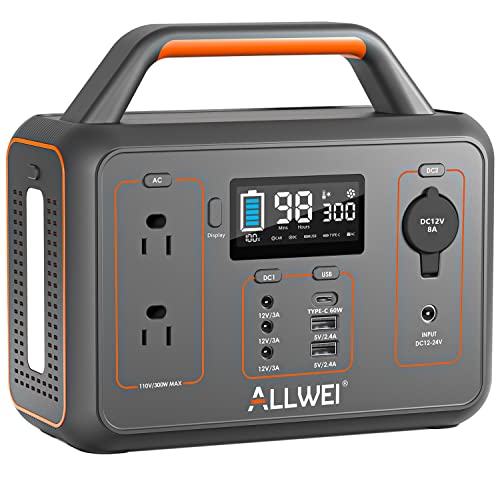
Yes, car batteries can be utilized as a backup power source, making them a valuable asset for survivalism and prepping. They offer a cost-effective and portable option during emergencies, particularly for powering essential appliances. To ensure longevity, it’s crucial to limit the depth of discharge to 50% to prevent premature failure. Pairing the battery with a suitable power inverter is essential, along with implementing safe wiring practices to avoid hazards such as backfeeding. By comprehensively understanding the benefits and limitations, you can effectively harness car batteries for backup power in your home and adopt best practices for maintenance, enhancing your preparedness for any situation.
Key Takeaways
- Car batteries can provide short bursts of power for emergencies, making them a viable option for backup power in survival situations.
- They are best utilized with a power inverter to convert DC to AC power, allowing you to run essential household appliances during a crisis.
- It’s important to avoid discharging a car battery beyond 50%, as doing so can lead to premature failure, which could jeopardize your preparedness efforts.
- A proper setup, including a manual transfer switch, is crucial to ensure safety and prevent electrical hazards when using car batteries as a backup power source.
- Regular maintenance and monitoring of your car batteries can significantly extend their lifespan and efficiency, ensuring you are well-prepared for any unexpected power outages.
Understanding Car Batteries as a Backup Power Source
When considering car batteries as a backup power source for your survival needs, it’s essential to understand their limitations and capabilities.
Car batteries can deliver short bursts of power, making them useful in emergencies, but they aren’t designed for prolonged use. Typically, they allow a depth of discharge of only 50%, which can lead to premature failure if overused.
To maximize their effectiveness in a survival situation, pair car batteries with a power inverter and ensure a manual transfer switch is installed to prevent backfeeding into the grid.
For regular use during extended outages, deep-cycle batteries are a better choice, as they’re specifically designed for prolonged discharges.
Always prioritize proper wiring and safety precautions to ensure peak performance and avoid any hazards in your prepping setup.
Benefits of Using Car Batteries for Home Power Backup
While many survivalists and preppers typically consider traditional generators for backup power, utilizing car batteries presents several unique advantages for home power backup.
Car batteries are cost-effective, making them an accessible resource during emergencies when every penny counts. Their portability ensures quick setup in various locations, which is crucial during a sudden power outage.
Car batteries offer a budget-friendly and portable solution for power backup during emergencies, ensuring quick and efficient setup when you need it most.
Additionally, they operate silently, making them perfect for residential areas where noise could attract unwanted attention.
By using the right equipment, such as a power inverter and transfer switch, you can safely deliver electricity to specific circuits in your home, ensuring that essential appliances remain operational.
This capability significantly bolsters your household’s resilience against unexpected power disruptions, reinforcing your preparedness for any scenario.
Risks and Limitations of Car Battery Usage
While car batteries can serve as a temporary power source in emergency situations, their inherent risks and limitations make them a less reliable choice for extended backup use in survival scenarios.
Designed primarily for short bursts of power, car batteries have a limited cycle life, which means using them for deep discharge applications can be risky. Discharging a car battery beyond 50% can result in premature failure, leaving you without power when you need it most.
Additionally, car batteries emit harmful gases during charging, which can pose significant fire and explosion hazards if there’s inadequate ventilation.
When integrating a car battery into your home power system, the lack of appropriate equipment can lead to dangerous backfeeding, risking injury to utility workers and potentially damaging your home’s electrical systems.
Given these risks, it’s crucial for survivalists and preppers to consider alternative power sources that offer greater reliability and safety for long-term energy needs.
Prioritizing a more suitable energy solution can enhance your preparedness for any situation that arises.
Proper Setup for Using a Car Battery as Backup Power
To effectively use a car battery as backup power in a survival situation, you’ll need to set up a reliable system that ensures safety and functionality. Start by connecting a power inverter to convert the battery’s DC power into AC power for your essential appliances.
Utilize a car battery as backup power by connecting a power inverter for essential appliances in emergency situations.
It’s crucial to install a manual transfer switch to prevent backfeeding into the grid, which can be dangerous and illegal.
- Ensure the inverter matches the battery’s voltage and has adequate wattage to power your necessary devices.
- Regularly test your setup by simulating a power outage to familiarize yourself with its operation.
- Follow local safety regulations and proper wiring techniques to avoid potential hazards, as safety is paramount in emergency situations.
Comparison With Alternative Backup Power Solutions
When evaluating backup power solutions for survival situations, it’s crucial to understand the limitations of car batteries compared to more effective alternatives.
Car batteries, intended for short bursts of power, are inadequate for prolonged use during emergencies. In contrast, deep-cycle batteries are designed for sustained energy storage, providing longer lifespans and consistent discharge—essential for off-grid living or during extended outages.
A backup generator, such as the Generac 11,000 Watt model, offers immediate and reliable power during blackouts, making it an invaluable resource for preparedness.
While UPS systems can handle brief interruptions, they aren’t suited for long-term backup scenarios.
Ultimately, investing in a robust power system—whether it’s a generator or deep-cycle battery—is far more beneficial for serious survivalists than relying on the temporary advantages of car batteries.
Best Practices for Battery Maintenance and Care
To ensure your car battery is always ready for backup power in survival situations, establish a regular charging schedule.
Store the battery in a cool, dry place to significantly enhance its lifespan and efficiency.
Regular Charging Schedule
Although regular charging may seem tedious, it’s crucial for maintaining the health of your car battery, particularly if you rely on it for backup power in survival situations.
Implement a consistent regular charging schedule every 2-4 weeks to prevent sulfation and ensure your battery is ready when you need it most. Using a smart charger or battery maintainer can help you avoid overcharging and keep your battery in optimal condition.
- Monitor voltage; a fully charged battery should read between 12.6 to 12.8 volts.
- Keep terminals clean and free of corrosion to ensure efficient energy cycles.
- Store the battery in a cool, dry place, avoiding extreme temperatures that can affect performance.
Proper Storage Techniques
Proper storage techniques are crucial for ensuring the reliability and longevity of your car battery, especially for those who prioritize survivalism and prepping.
Store the battery in a cool, dry place to minimize exposure to heat and moisture, which can compromise its integrity. Regularly monitor the charge level, aiming to keep it above 50% to prevent sulfation, a condition that can diminish battery life.
During extended periods of inactivity, consider using a battery maintainer or trickle charger to keep the battery charged without risking overcharging.
To maintain optimal performance, clean the terminals with a baking soda and water mixture to prevent corrosion, which can impede functionality.
Lastly, always store the battery upright to avoid leaks and potential damage to the casing, ensuring both safety and readiness for any emergency situation.