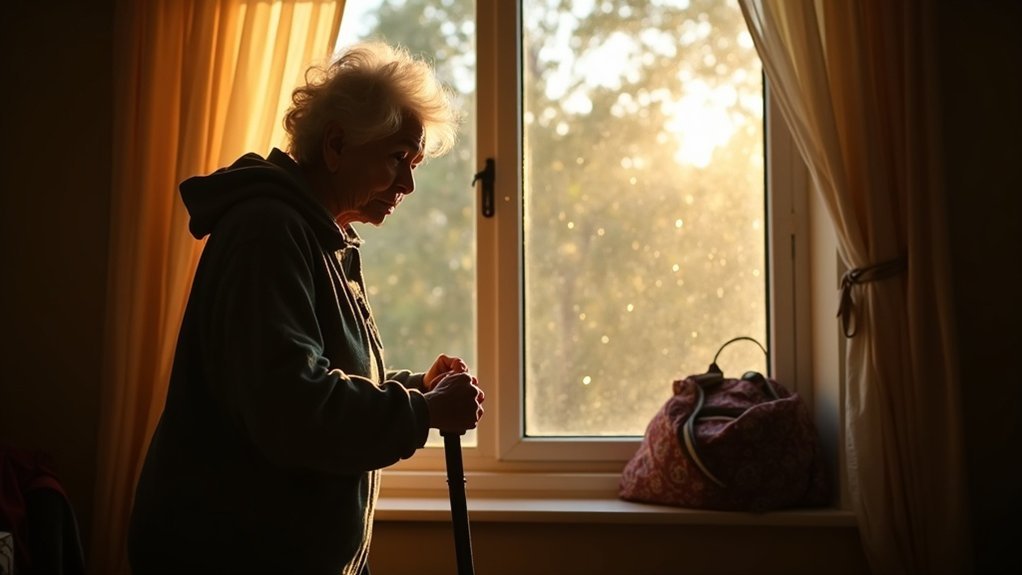
Seniors often face significant challenges during evacuations due to physical limitations, cognitive impairments, and social isolation. These vulnerabilities can hinder their ability to navigate emergencies independently. In the realm of survivalism and prepping, it’s crucial to develop tailored support systems and comprehensive evacuation plans specifically for seniors. Establishing a reliable support network and preparing personalized emergency strategies can greatly enhance their safety during crises. By addressing these unique challenges, you can ensure better outcomes for senior individuals in emergency situations. Explore additional strategies to bolster their safety and preparedness in the face of potential disasters.
Key Takeaways
- Seniors may face unique challenges during emergencies due to physical limitations and cognitive impairments, which can make solo evacuation difficult and potentially dangerous.
- The risk of social isolation during emergencies underscores the importance of having a reliable support network in place for seniors.
- Developing tailored emergency plans is crucial for seniors, taking into account their specific health conditions and mobility needs to ensure effective evacuation strategies.
- Regular practice of evacuation drills can significantly boost a senior’s preparedness and confidence in handling emergencies independently.
- Utilizing home care assistance and establishing designated emergency contacts can greatly enhance the likelihood of a safe and efficient evacuation for seniors, aligning with survivalism principles that prioritize readiness and self-sufficiency.
Understanding Seniors’ Vulnerabilities
When preparing for emergencies, it’s essential to acknowledge that seniors face distinct vulnerabilities that can significantly hinder their ability to evacuate safely. Many seniors may have physical limitations that make rapid exits challenging, and cognitive impairments, such as dementia, can further complicate their understanding of emergency protocols.
For those living alone, social isolation exacerbates these risks, as they often lack a reliable support system during crises. Research indicates that seniors are disproportionately affected during disasters, resulting in higher fatality rates.
To enhance their preparedness, it’s vital to engage family and community resources, providing crucial assistance and reassurance. By fostering a strong support network and equipping seniors with essential survival skills, we can ensure they’re better prepared to navigate emergencies effectively.
The Importance of Emergency Planning
Emergency planning is essential for seniors, especially in the context of survivalism and prepping, as it directly impacts their safety and well-being during crises.
Creating tailored emergency plans that account for specific health conditions ensures you have the necessary medications, supplies, and resources readily available.
Tailored emergency plans for seniors must consider health conditions, ensuring essential medications and supplies are always accessible.
Acknowledging the risks associated with social isolation, it’s vital to build a robust support network that can assist during emergencies.
A well-defined plan, including evacuation routes, emergency contacts, and survival strategies, empowers you to respond effectively to various scenarios.
Regularly reviewing and updating these plans is crucial for maintaining preparedness and confidence in managing evacuations or emergencies.
Building a Support Network
Building a support network is essential for your safety during emergencies in the context of survivalism and prepping.
By designating emergency contacts and establishing routine check-ins, you create a reliable system that can offer both emotional support and practical assistance when the situation demands it.
This proactive approach not only enhances your security but also helps combat feelings of isolation during critical situations, ensuring that you aren’t alone in your preparedness journey.
Designate Emergency Contacts
Designating emergency contacts is crucial for preppers and survivalists to ensure a reliable support network during crises. Involving family members, friends, and fellow prepping enthusiasts in your plans creates a strong network that can provide emotional support and practical assistance in emergencies.
This connection helps to mitigate feelings of isolation during challenging times, ensuring you receive timely updates and resources. Additionally, consider utilizing automated wellness check services as an extra layer of safety, confirming you’re safe even if you’re unable to reach out.
Clearly defined roles among your contacts can streamline responses, making it easier to mobilize help when it’s needed most. This proactive approach not only enhances your preparedness but also strengthens community bonds essential for survival.
Establish Routine Check-ins
While you may not always be able to predict when a crisis will strike, establishing routine check-ins with your emergency contacts is a crucial step in ensuring your survival and preparedness. Regular communication not only helps identify any needs during emergencies but also strengthens your network of support.
| Type of Check-in | Frequency | Who to Involve |
|---|---|---|
| Family Call | Daily/Weekly | Family and Friends |
| Automated System | Daily | Survival Check Systems |
| Neighbor Visit | Weekly | Community Support Network |
Engaging caregivers and involving your community fosters emotional and practical support, ensuring you’re never isolated in tough situations. Stay connected with your network, and enhance your overall preparedness for any crisis that may arise.
Creating a Personal Emergency Plan
Creating a personal emergency plan is crucial for your safety and peace of mind during an unforeseen situation.
Begin by assembling a comprehensive list of emergency contacts, ensuring that each person is knowledgeable about your survival strategies.
Map out multiple clear evacuation routes to various safe locations, and establish a robust communication strategy to keep your group informed and coordinated.
Additionally, consider practicing drills to enhance your preparedness.
Emergency Contact List
An updated emergency contact list is critical for everyone, especially for those who prioritize survivalism and prepping. Quick access to assistance during a crisis can be a game-changer.
If you live alone, having trusted individuals ready to step in can significantly reduce anxiety. Your list should include:
- Family members and friends who can provide emotional and practical support
- Local emergency services for immediate assistance in any situation
- Medical contacts, such as doctors and pharmacies, to address health conditions
- Neighbors or fellow preppers who can offer help or resources in an emergency
Regularly reviewing this personalized emergency plan is vital to ensure all information remains accurate and easily accessible.
By including health insurance details, you can streamline the process of obtaining necessary care during emergencies.
Stay prepared; it can make all the difference in a survival scenario.
Evacuation Routes Defined
While having an updated emergency contact list is a crucial first step in preparing for potential crises, knowing how to effectively evacuate is just as vital.
Identify multiple evacuation routes that cater to your mobility and accessibility needs, and evaluate various transportation options to ensure you can act quickly when the time comes.
Establish clear meeting points for family or group members, so everyone knows where to regroup during an emergency situation.
Regularly review and practice these routes to build confidence and reduce anxiety in high-stress scenarios.
Maintain an updated list of local emergency services and shelters along your routes, and tap into community resources, such as survival groups or prepper networks, for essential information on the safest and most efficient evacuation routes available.
Communication Strategy Established
When a crisis strikes, effective communication can be your lifeline, especially for seniors who may face unique challenges in survival situations.
Establishing a robust communication strategy is vital for preparedness. Here are key components to take into account:
- Create an updated list of emergency contacts, including family, neighbors, and local services that can assist during a disaster.
- Designate specific individuals in your support network who can check in regularly, ensuring you have reliable support.
- Utilize various communication methods—phone calls, texts, or social media—to guarantee accessibility and reachability in emergencies.
Regularly practice your plan and update your contact information, reinforcing your emergency alert systems.
This proactive approach will help you feel prepared and connected during crises, ultimately enhancing your safety and peace of mind in any survival scenario.
Preparing for Evacuations
Preparing for evacuations is crucial for survivalists and preppers, particularly for seniors who may face mobility challenges that hinder quick responses.
Start by developing a comprehensive evacuation plan that outlines multiple routes and identifies nearby shelters, including those that accommodate pets.
Create a robust support network of family and friends who can assist during emergencies, helping to alleviate feelings of anxiety and isolation.
Regularly review and practice your evacuation plan to ensure familiarity with procedures and to adapt to any changing needs.
Maintain a well-stocked emergency kit that includes essential medications, important documents, and survival gear.
Finally, keep a detailed list of emergency contacts readily available to facilitate communication when necessary.
Home Care Assistance During Emergencies
Home care assistance is crucial in ensuring that seniors are prepared and safe during emergencies, particularly for those with mobility challenges or cognitive impairments.
- Aides play a key role in developing and executing effective evacuation plans tailored to individual needs.
- They keep seniors informed about emergency alerts, survival strategies, and essential precautions to take in various situations.
- Aides assist in assembling emergency kits stocked with necessary supplies and help gather vital documents for quick access.
This support system is essential for safeguarding seniors’ health and well-being.
With a dedicated home care aide, you can ensure that you’re equipped for any emergency scenario, allowing you to navigate challenges with confidence and a sense of security.
Strategies for Staying Informed and Connected
Staying informed and connected is crucial for survivalism and prepping, especially for seniors during emergencies, as it directly impacts safety and well-being.
Establishing a robust network of emergency contacts, including family, friends, and neighbors, ensures you receive timely updates on evacuation orders and other critical information. Caregivers also play a vital role in providing regular updates and support, helping you feel less isolated and more prepared.
Consider utilizing automated call services for wellness checks and updates, keeping you alert to important alerts and changes in your environment.
Engaging in community support activities not only fosters social connections but also enhances access to vital information and resources, making it easier for you to navigate emergencies effectively and maintain your preparedness.