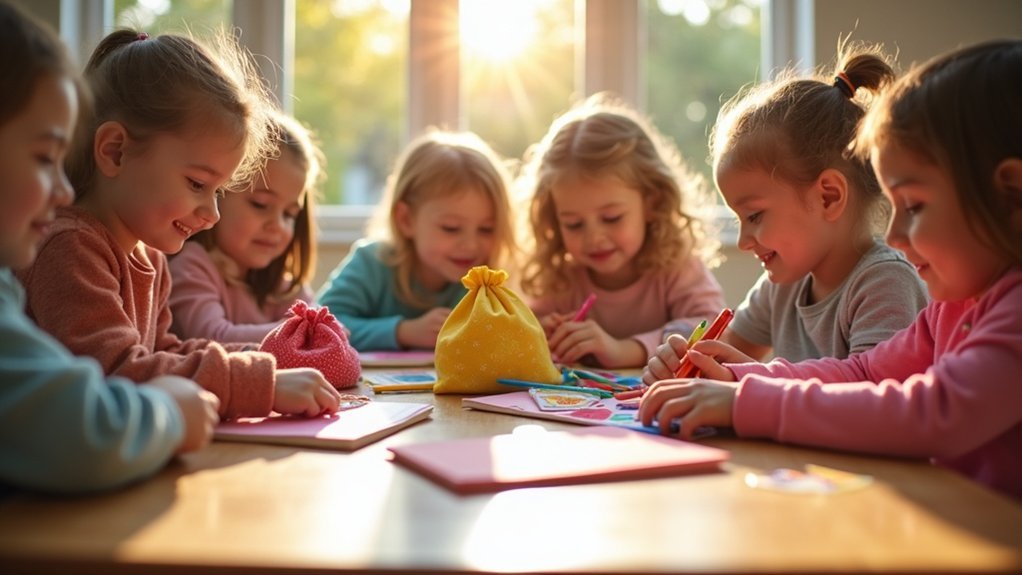
Absolutely, kids can play an important role in packing their own emergency kits! Involving them not only builds confidence and a sense of ownership over their safety but also instills essential survival skills. This is a valuable opportunity to teach responsibility and organizational skills while they learn what items are critical in a survival situation. They can even select comforting items like favorite toys, which can help alleviate anxiety during stressful times. Additionally, this family activity promotes teamwork and strengthens crucial discussions about preparedness and survival strategies. If you’re interested in enhancing your family’s readiness, we have some useful tips to guide you through the process.
Key Takeaways
- Involving kids in packing their survival kits empowers them with confidence and a sense of ownership over their preparedness.
- Children can select personal items, fostering engagement and reducing anxiety during emergencies or survival situations.
- Assign age-appropriate tasks, such as gathering essential supplies or packing clothing, to promote responsibility and organizational skills vital for survival.
- Regular reviews of survival kits with kids can teach them about preparedness and ensure kits remain equipped for their evolving needs.
- Packing together reinforces family bonds and helps children understand their roles in potential emergency situations, instilling valuable survival skills.
The Benefits of Involving Kids in Packing Their Kits
When you involve your kids in packing their own emergency survival kits, you’re not just creating a checklist—you’re empowering them with confidence and a sense of control over their safety.
Engaging them in this crucial process fosters a sense of ownership, significantly reducing anxiety during emergencies. Children who participate in packing their kits tend to retain knowledge about the kit’s contents and understand how to utilize them effectively.
By allowing age-appropriate involvement—such as letting toddlers select essential comfort items or school-age children label containers—you are promoting responsibility and organizational skills vital for survival situations.
Moreover, making packing a fun family activity not only alleviates stress but also reinforces essential preparedness knowledge, encouraging open discussions about safety and survival strategies together.
Choosing the Right Bag for Your Child
When selecting a bag for your child’s emergency kit, prioritize features such as comfort, size, and weight distribution to ensure they can carry it effectively.
Involving your child in the selection process not only fosters a sense of ownership over their kit but also enhances their preparedness mindset.
A well-fitted backpack is crucial, as it can significantly impact their ability to respond in an emergency situation.
Backpack Features to Consider
Choosing the right backpack for your child is crucial, as it can significantly impact their ability to manage their bug-out kit during emergencies.
Look for backpack features that include adjustable straps, which ensure a snug and comfortable fit for your child. A spacious yet not overly large backpack will allow them to carry essential supplies without feeling overwhelmed.
Additionally, consider designs with waist straps to improve weight distribution, making it easier for children to carry their gear comfortably during a crisis.
Child Involvement in Selection
Involving your child in the selection of their emergency preparedness backpack not only empowers them but also instills a sense of responsibility for their role in survival situations.
Let them participate in choosing a bag that’s appropriately sized and equipped with comfortable waist straps for easier carrying during an emergency. By allowing your child to pick colors and designs they love, you enhance their sense of ownership and make the packing process more engaging.
Familiarizing them with the contents of the backpack—such as survival gear, first aid supplies, and essential tools—boosts their confidence and readiness for any situation.
This involvement not only teaches essential life skills and responsibility but also transforms a routine task into a valuable opportunity for learning and growth in the context of survivalism and prepping.
Essential Supplies to Include in Their Kit
Creating a well-prepared emergency kit for kids is crucial for their safety and comfort during unforeseen situations.
Begin by packing essential supplies such as non-perishable snacks, like granola bars or dried fruit, to sustain their energy levels. Ensure to include at least one liter of water per day to keep them adequately hydrated.
Hygiene items, including hand sanitizer, wet wipes, and a compact toothbrush, are vital for maintaining cleanliness in survival scenarios. A basic first-aid kit that contains adhesive bandages and antiseptic wipes will effectively manage minor injuries.
Equipping kids with these essentials not only enhances their sense of security but also fosters preparedness, making challenging times less stressful for the whole family.
Fun and Comfort Items for Emotional Support
When assembling an emergency kit for kids, it’s essential to recognize the importance of incorporating fun and comfort items that provide emotional support. Including favorite stuffed animals or toys can create a sense of familiarity and security during stressful situations.
Additionally, adding coloring books and crayons can keep them engaged and help alleviate anxiety. Including a family photo with contact information can offer reassurance, reminding them they aren’t alone in challenging times.
Adding coloring books and crayons can engage children and reduce anxiety, while a family photo can provide comfort and connection during tough times.
Involving them in the selection of these comfort items fosters a sense of ownership, empowering them to feel more in control of their environment.
Regularly reviewing the kit together not only strengthens emotional resilience but also ensures they feel prepared and confident when it matters most in any survival scenario.
Age-Appropriate Packing Tasks for Kids
After selecting essential items for their emergency preparedness kits, kids can actively participate in packing their own bags, turning the process into both a fun and educational experience.
For toddlers, assign the task of gathering their favorite toys, which helps them feel included in the family’s preparedness efforts.
School-age children can take on the responsibility of packing their own clothing and personal items, promoting independence and self-reliance.
Teenagers can further contribute by organizing and inventorying their belongings, which enhances their planning and critical thinking skills.
Involving children of all ages allows them to become familiar with their kits, boosting their confidence during emergencies.
Customizing their kits with their chosen snacks or activities also makes packing more engaging and personally meaningful, reinforcing the importance of being prepared for any situation.
Making Packing a Family Activity
Packing emergency kits can be a rewarding family activity that not only strengthens bonds but also equips everyone with essential survival skills. Involving your children in this process empowers them and instills a sense of responsibility. You can assign age-appropriate tasks, such as allowing toddlers to choose their favorite toys for comfort or encouraging school-age kids to pack nutritious snacks that will sustain them. Customizing kits with items they appreciate fosters pride in their preparedness and teaches the importance of self-sufficiency.
| Age Group | Task | Favorite Items |
|---|---|---|
| Toddlers | Choose comforting toys | Stuffed animals, blocks |
| School-age | Pack survival snacks and essentials | Granola bars, juice boxes |
| Teens | Review, organize, and enhance the kit | Tech gadgets, books |
Engaging in this preparation together makes the concept of emergencies less intimidating and helps cultivate a proactive mindset.
Reviewing and Updating Kits Regularly
Regularly updating your survival kits for your children is essential to ensure they remain relevant and age-appropriate.
Involving your kids in this process not only teaches them the importance of each item but also empowers them to suggest what they’d like to include, making it a valuable learning experience.
Be sure to check the contents of the kits seasonally or after any growth spurts, ensuring that everything meets their current needs for safety and preparedness.
Importance of Regular Updates
While it may be easy to overlook emergency kits once they’re packed, keeping them regularly updated is essential for your family’s safety and preparedness in any survival situation.
Consistent updates ensure that supplies meet your child’s evolving needs, fostering a sense of ownership and responsibility. Check expiration dates on food and medicines at least every six months to ensure they remain effective and ready for use.
Furthermore, incorporating seasonal items into your kits can enhance comfort during emergencies and align with changing environmental conditions.
This ongoing process not only keeps the kit relevant but also serves as a valuable teaching moment for your child, emphasizing the importance of preparedness and their crucial role in ensuring their own safety and well-being in uncertain times.
Involving Kids in Review
Involving your kids in the process of reviewing and updating their emergency kits not only cultivates a sense of ownership but also equips them with vital preparedness skills. By turning this into a family activity, you instill a sense of responsibility and highlight the significance of being ready for any situation. Kids can help identify outdated items, which teaches them valuable organization skills. Additionally, customizing kits with child-friendly items makes the contents more familiar, helping to ease any anxiety. Regularly reviewing the kits also fosters emotional resilience and boosts their confidence in handling emergencies.
| Task | Benefits |
|---|---|
| Identify Outdated Items | Responsibility |
| Customize Contents | Familiarity |
| Inventory Management | Organization Skills |
| Family Activity | Enhanced Preparedness |
| Emotional Resilience | Increased Confidence |
Adapting Kits for Seasons
When seasons shift, it’s crucial to reassess and modify your kids’ emergency kits to ensure they’re equipped with the right supplies for any weather conditions ahead.
Be sure to include season-specific clothing and gear, such as sunscreen and insect repellent for summer, or thermal blankets and hand warmers for winter.
Regularly updating your Survival Kit is essential, as it involves replacing expired food items and medical supplies, keeping your kids safe during emergencies.
Engaging your children in this process not only instills a sense of responsibility but also educates them about the significance of preparedness.
Establishing a routine to review and adapt your kits at the start of each season will keep your family organized and prepared for any situation.
Preparing for Emergencies Together
Preparing for emergencies can be daunting, but involving your kids in the process not only makes it more manageable but also fosters a sense of empowerment. By collaborating as a family, you can assemble comprehensive emergency kits that include not only essential survival supplies but also comforting items to ease anxiety during crises. Allow your children to select items that hold personal significance, reinforcing their understanding of roles and responsibilities in emergency situations.
| Item Type | Examples |
|---|---|
| Basic Supplies | Non-perishable food, water purification, hygiene supplies |
| Comforting Items | Favorite toys, blankets |
| First Aid Supplies | Band-aids, antiseptic wipes, emergency blankets |
| Tools | Flashlights, whistles, multi-tools |
| Personal Items | Favorite books, family photos |
This cooperative approach not only minimizes fear but also instills confidence and preparedness in your children, equipping them with valuable skills for any situation.