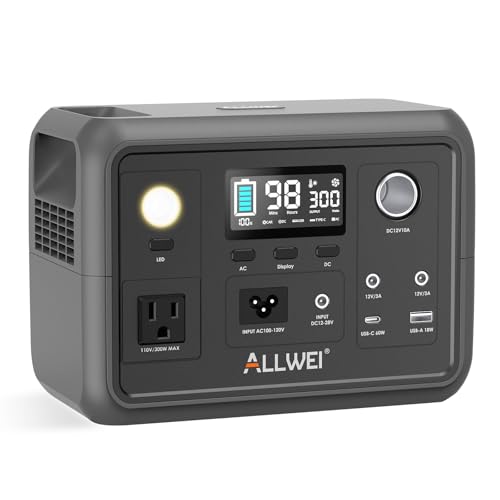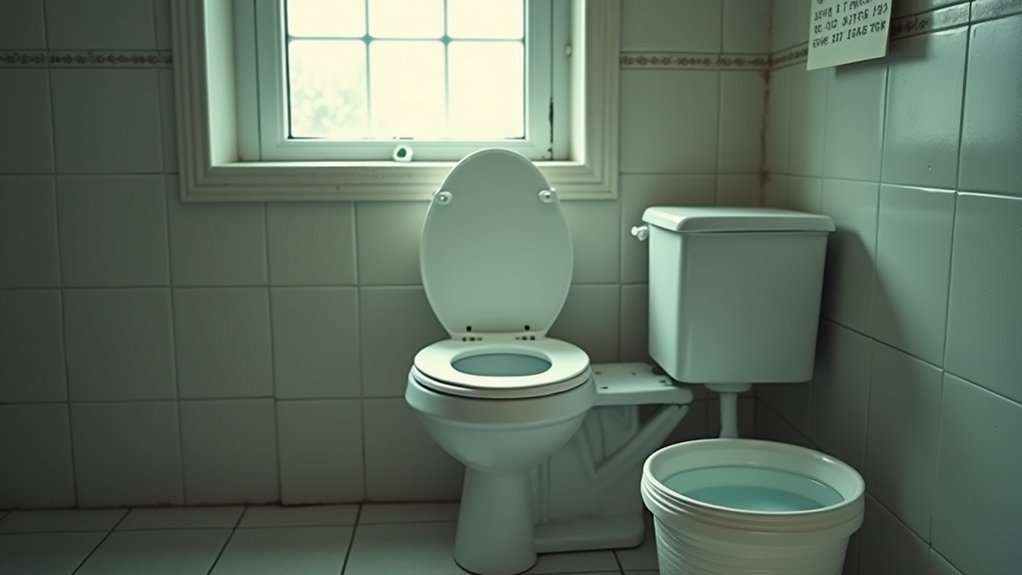
Yes, toilets can be flushed during water outages if they’re gravity-fed systems. These toilets rely on gravity and don’t need electricity, so they’ll function normally as long as there’s some water supply. However, electric toilets won’t flush when the power goes out, as they depend on an electric pump. In survival situations, it’s crucial to know how to manually flush by pouring water directly into the bowl from a bucket. Understanding your toilet type and having a backup plan helps maintain sanitation in emergencies. Consider exploring various flushing techniques and conservation strategies to ensure you’re prepared for any situation.
Key Takeaways
- Gravity-fed toilets can still be flushed during water outages by manually adding water to the bowl, making them a reliable option for survival situations.
- Electric toilets cannot be flushed during outages as they rely on electricity for operation, which is a vulnerability to consider in prepping.
- It’s wise to prepare buckets of water in advance, ensuring you have a reliable method for manual flushing when the water supply is disrupted.
- Non-potable water sources, such as pools or lakes, can be utilized for flushing if necessary; however, it’s crucial to avoid contamination to maintain health and safety.
- Prioritizing hygiene is essential during outages, so it’s important to plan ahead for water storage and sanitation needs as part of your preparedness strategy.
Understanding Toilet Functionality During Water Outages
When preparing for a water outage, it’s crucial to understand how your toilet will function in a survival situation. Toilets typically rely on gravity and water pressure, allowing them to flush without electricity, as long as there’s water available in the tank or bowl.
In the event of an outage, you can flush a standard toilet by manually pouring approximately 1.6 gallons of water into the bowl. If your toilet is connected to a municipal water supply, you can continue to flush normally until that supply is depleted.
However, be aware that electric pump-assisted toilets won’t function during a power outage, as they require electricity to operate. It’s essential to conserve water and have backup plans in place, especially if you live in areas prone to drought.
Prepare by storing extra water for sanitation needs to ensure you remain self-sufficient during emergencies.
How Power Outages Affect Toilet Operation
Power outages can significantly affect toilet operation, which is crucial for maintaining hygiene during emergencies. Understanding how different flushing systems work is vital in a survival situation.
Gravity-flush toilets, which operate without electricity, will continue to function normally, making them a reliable choice for prepping. However, electric toilets that depend on pumps may fail to flush during a power outage.
In such situations, it’s essential to have a backup plan. You can manually flush the toilet by adding water directly to the bowl, so ensure you have access to a water source, whether it’s stored water or a nearby stream.
Being prepared for these scenarios can help you maintain sanitation and comfort during challenging times.
Gravity vs. Electric Toilets
Understanding how different toilet types operate during outages is essential for maintaining sanitation in survival situations. Here’s what you need to know:
- Gravity toilets flush without electricity, relying solely on water pressure and gravity. This makes them a reliable choice for prepping, as they can typically function as long as there’s water from the municipal supply or a stored reserve.
- Electric toilets, on the other hand, require power to function and won’t flush during a power outage. This can pose a significant challenge in emergency scenarios, as users may find themselves with limited flushing options. In such cases, they’ll need to manually fill the toilet with water quickly to maintain hygiene.
Being aware of whether you have a gravity or electric toilet is crucial for your sanitation practices during emergencies.
Make informed decisions about your toilet type and consider alternatives to ensure hygiene remains a priority in your prepping efforts.
Manual Flushing Techniques
In survival situations, water outages can pose significant challenges to sanitation efforts, but you can still effectively flush a gravity toilet using manual techniques.
To flush the toilet, fill a bucket with clean water—about 1.6 gallons is ideal. When you’re ready, pour the water directly into the bowl swiftly. This action mimics the flow of water from a tank, allowing the toilet to flush properly.
If you anticipate an outage, it’s wise to fill buckets ahead of time to ensure you have enough water for sanitation needs. Remember, conserving your water supply is crucial for extending your manual flushing capacity during these tough times.
Prepare in advance to maintain hygiene and sanitation when resources are limited.
Water Availability Considerations
How does a power outage impact your ability to flush the toilet? The effects can vary significantly based on your water source and preparation:
- Gravity-fed systems: If you have a gravity-fed water supply, you can maintain your ability to flush the toilet without interruption, provided the municipal water supply is still active.
- Electric pumps in well systems: If your water supply relies on electric pumps, a power outage may render your system inoperable, limiting your flushes to one or two before your reserve tank is depleted.
- Short power outages: Typically, short outages don’t disrupt municipal water supply, allowing you to continue using your toilet without issues.
- Water availability: It’s crucial to understand that if your water system depends on electricity, you’ll face restrictions during outages.
Being aware of these factors is essential for survival preparedness.
Plan ahead to ensure you can manage your toilet functionality during power outages and conserve your water supply effectively.
Flushing Techniques When Water Is off
When the water supply is cut off, you can still maintain sanitation by using a manual bucket flushing technique. Fill a bucket with approximately a gallon of clean water and pour it swiftly into the toilet bowl to effectively clear waste.
It’s crucial to have alternative water sources readily accessible, such as swimming pools, rainwater collection systems, or nearby lakes, to ensure you can manage emergencies.
Always ensure that you use the correct volume of water for an effective flush, as this knowledge is essential in survival situations where resources may be limited.
Manual Bucket Flushing
During an unexpected water outage, having a manual bucket flushing technique can be a crucial survival skill for maintaining hygiene and sanitation. Here’s a step-by-step guide on how to effectively flush your toilet when traditional water supply is unavailable:
- Fill a bucket with approximately one gallon of clean water, which can be sourced from your emergency water reserve.
- Pour the water quickly and forcefully into the toilet bowl to create enough pressure to flush the waste down.
- While a typical flush uses around 1.6 gallons, using just one gallon can still achieve a satisfactory result.
- It’s wise to prepare by filling buckets in advance or identifying clean water sources, such as rainwater catchment systems or pools, in case of an emergency.
Utilizing this method not only ensures that your toilet remains functional during outages but also helps you manage your water supply wisely.
Always prioritize using clean water to prevent clogs and maintain the integrity of your toilet system.
Water Source Options
In the event of a water supply interruption, it’s crucial to have a variety of effective strategies for sourcing water to flush your toilet. One proactive approach is to fill buckets with water before any potential outages, ensuring you have access when the need arises.
If you find yourself running low on water, consider reaching out to neighbors to borrow some, or utilize nearby bodies of water, such as pools, lakes, or streams—just be sure to filter and purify it before use.
Remember, gravity-fed toilets can function without electricity, while electric models will be inoperable during power outages. It’s vital to conserve the water you do have, especially since municipal water supplies may only last 6 to 12 hours after a power loss.
Flush Volume Needed
Understanding the flush volume needed for effective toilet operation during a water outage is crucial for maintaining sanitation in survival situations.
- Pour about 1.6 gallons of clean water for a full flush, which is essential for keeping your waste management system functional.
- Use a bucket filled with a gallon or two to replicate a flush when traditional plumbing is unavailable.
- Ensure the water is clean to prevent clogs or plumbing damage, which could lead to larger sanitation issues during a crisis.
- Remember, you can repeat flushing by adding more water as necessary to maintain hygiene and prevent the buildup of waste.
Proper preparation for these scenarios can significantly impact your overall survival strategy.
Manual Flushing Options for Emergencies
When a water outage strikes, it’s essential to be resourceful and prepared to maintain hygiene. You can still flush your toilet by utilizing manual methods that replicate the flushing process.
Start by filling a bucket with clean water—ideally around 1.6 gallons. Then, quickly pour it into the toilet bowl; this action displaces the existing water, allowing for an effective flush.
Fill a bucket with about 1.6 gallons of clean water and pour it into the toilet bowl to flush effectively.
To ensure you’re ready for emergencies, it’s prudent to stockpile buckets filled with water from sinks or tubs ahead of time. This strategic preparation guarantees you have a reliable water supply when needed.
In dire situations, you can also consider alternative sources, such as pools or lakes. Keep in mind that standard gravity-fed toilets can be flushed manually, but electric pump toilets won’t operate without power.
Being prepared can make all the difference in maintaining a functional household during a crisis.
Types of Toilets: Which Can Flush Without Power?
How can you ensure your toilet remains functional during a power outage? Understanding the types of toilets in your home is crucial for survival preparedness.
- Gravity-fed toilets are your best option in an emergency, as they operate without electricity by utilizing gravity to flush waste effectively.
- Electric toilets, on the other hand, depend on an electric pump, rendering them useless during a power failure—an important consideration for your emergency planning.
- Standard toilets usually consume 1.28 gallons per flush, which can be managed for multiple uses as long as the water supply is intact.
However, in a survival scenario, conserving water is vital.
Homes equipped with well systems may face challenges with limited water reserves, further impacting your ability to flush and maintain sanitation when resources are scarce.
By knowing the type of toilet you have, you can better prepare for potential outages, ensuring that hygiene remains a priority even under strained conditions.
This knowledge is an essential part of your survival strategy.
Conserving Water During Outages
Toilet functionality during water outages is a critical component of your survival strategy. By effectively managing toilet use, you can conserve precious water resources. Here’s a straightforward plan to guide your efforts during a crisis:
| Action | Description | Water Saved |
|---|---|---|
| Limit Flushes | Use the toilet only for essential functions. | Up to 1.6 gallons |
| Pre-fill Buckets | Fill buckets in advance for manual flushing. | Varies |
| Use Alternatives | Consider using non-potable sources for flushes. | Varies |
| Save Last Flush | Reserve water for emergencies. | 1.6 gallons |
| Avoid Contaminated Water | Protect your plumbing system by prioritizing clean water. | N/A |
Implementing these strategies ensures efficient water use during outages, which is vital for your preparedness efforts.
Restoring Water Supply After an Outage
After a water outage, it’s crucial to take swift and strategic action to restore your supply effectively and ensure your preparedness for future events. Here are essential steps to follow:
Taking swift action after a water outage is vital for restoring supply and ensuring future preparedness.
- Contact a reliable plumbing service to address any necessary repairs or replacements of water lines. Quick action can prevent further complications.
- Assess the situation carefully; unplanned outages may signal larger infrastructure issues, which could affect your long-term water supply.
- Prepare for planned outages by storing water in buckets, jugs, or other containers ahead of time. This practice can provide a buffer during emergencies.
- Use your water resources sparingly after restoration to avoid overwhelming the system and to make sure you have enough for your immediate needs.
Be cautious when flushing toilets or using any water-dependent systems.
Understanding your municipal water supply’s typical duration—usually between 6 to 12 hours—will help you manage your needs effectively while waiting for the water main to stabilize.
Always have a backup plan in place, such as water purification methods and storage options, to ensure your survival preparedness in case of future outages.