In small homes, strategic water storage is essential for survival and prepping. Utilize under-sink cabinets for easy access to water supplies and optimize closet space with stackable containers for efficiency. Consider incorporating hidden compartments in multi-functional furniture such as ottomans or benches to discreetly store water. Vertical storage solutions are ideal for placing water tanks in corners and closets, maximizing space. Wall-mounted shelves can help keep smaller containers organized and readily accessible. For those interested in innovative outdoor storage options or maintenance tips, continue exploring for effective and practical water storage solutions that align with your prepping needs.
Key Takeaways
- Utilize under-sink cabinets for efficient water storage with stackable, food-grade containers to maximize space and ensure you have a readily available supply for emergencies.
- Incorporate hidden compartments in furniture like sofas or ottomans to discreetly store water, keeping your preparedness efforts inconspicuous.
- Opt for vertical storage solutions with slimline tanks or wall-mounted shelves to save floor space while ensuring easy accessibility during critical situations.
- Use utility closets or basements for larger water tanks, making sure to implement proper ventilation to prevent contamination and maintain the integrity of your water supply.
- Regularly inspect and rotate water supplies every 6-12 months to maintain freshness and safety, ensuring you are always prepared for any unexpected circumstances.
Utilizing Under-Sink Cabinets for Water Storage
When you’re preparing for emergencies, under-sink cabinets can be a vital asset for water storage. They provide an optimal location to stash essential water containers, making use of often-overlooked space while ensuring quick access when needed.
Opt for stackable or narrow jerry cans to manage different sizes and promote organization within your storage area. Always select containers made from food-grade materials to avoid chemical leaching and ensure the purity of your water supply.
Regularly inspect for leaks and rotate your stored water every 6-12 months to maintain freshness. Additionally, incorporating a portable water filter in this space can further enhance your preparedness, ensuring that any tap water you utilize is safe for consumption in times of crisis.
Hidden Compartments in Furniture
While small homes can present challenges for water storage, hidden compartments in furniture offer a clever solution for survivalists and preppers. You can utilize storage sofas or benches to discreetly hold cases of water, ensuring that your essential supplies are both organized and accessible.
Nightstands can double as storage by hiding sealed water containers inside, maximizing functionality while keeping your preparedness efforts under wraps. Consider multi-functional furniture like ottomans with built-in storage capabilities to guarantee your water supplies remain accessible yet out of sight.
Additionally, stackable WaterBricks can cleverly fit into your furniture arrangements, providing an efficient way to store clean water without taking up too much room. Just remember not to cram these compartments to ensure easy access when needed.
Vertical Storage Solutions for Water Tanks
How can you optimize vertical space in your small home for essential water storage in a survival situation?
Consider vertical storage solutions like slimline water tanks that can fit into narrow areas, such as closets and corners, without sacrificing valuable floor space.
Stackable storage containers, like WaterBricks, provide a practical, space-saving method to store clean drinking water while ensuring it’s easily accessible in times of need.
Stackable containers like WaterBricks offer an efficient way to store and access clean drinking water in tight spaces.
Additionally, installing wall-mounted water tanks in utility rooms or garages can help you maintain a reliable water supply without cluttering your living area.
With capacities ranging from 50 to 500 gallons, these solutions are ideal for maximizing your available space and effectively organizing your water supplies for any unforeseen circumstances.
Wall-Mounted Shelves for Smaller Containers
Many survivalists and preppers often overlook the potential of wall-mounted shelves for storing smaller water containers, yet these solutions can significantly enhance your space efficiency in emergency preparedness.
By utilizing sturdy, adjustable shelves, you can effectively store your water supplies and customize your setup based on the sizes of your containers. It’s crucial to ensure that the shelves can support the weight of full containers, as clean water is essential and heavy.
This method not only maintains organization but also allows for quick identification of your supply levels, making it easier to manage freshness and availability in case of emergencies.
Additionally, consider decorative options that can blend your water storage into your home’s aesthetics while maximizing functionality in limited space, ensuring that you’re always prepared for any situation.
Multi-Functional Furniture for Discreet Storage
In small homes, multi-functional furniture can be a game changer for discreetly storing essential survival supplies, including water. Investing in storage sofas, ottomans, and nightstands with hidden compartments allows you to maximize your living space while keeping your water reserves concealed. Stackable solutions, such as WaterBricks, integrate seamlessly into your furniture arrangements, ensuring that your preparedness supplies are both accessible and out of sight.
| Furniture Type | Water Storage Benefit |
|---|---|
| Storage Sofa | Hidden compartments for supplies |
| Nightstand | Easy access with a minimal footprint |
| Stackable Solutions | Efficient space utilization |
| Storage Ottoman | Stylish yet functional storage |
| Collapsible Carriers | Perfect for tight spaces |
This strategy not only keeps your supplies discreet but also ensures they are readily available when needed.
Optimizing Closet Space for Water Supply
While optimizing closet space for your water supply may seem daunting, it’s a crucial aspect of survival preparedness that can be achieved with careful planning and organization.
Utilize the back of your closets to store tightly sealed water storage tanks made from food-grade materials to ensure your potable water remains safe and ready for any emergency. Consider stackable options like WaterBricks that are designed to fit into narrow spaces, allowing you to maximize vertical storage and keep your supplies organized.
Maximize closet space by storing food-grade water tanks and stackable options like WaterBricks for organized, accessible emergency supplies.
Before purchasing containers, measure your closet dimensions to ensure a snug fit without any gaps. It’s essential to keep your emergency water supplies on easily accessible shelves or bins for quick retrieval when the need arises.
Regularly inspect your water storage for leaks or signs of contamination, and make it a habit to rotate your water supply every 6-12 months to maintain freshness and readiness.
By optimizing your closet space for water storage, you can enhance your overall preparedness strategy and ensure that you and your family are equipped to handle any situation that arises.
Utilizing Basements and Utility Closets for Tanks
Basements and utility closets are ideal locations for storing water tanks in small homes, especially for those focused on survivalism and prepping.
The cool, dark conditions of a basement help maintain water quality, essential for long-term storage. Utility closets can be optimized with slimline tanks that maximize space while keeping your water supply discreet and accessible.
It’s crucial to ensure proper ventilation and elevate your tanks to prevent contamination, safeguarding your water supply for emergencies.
Basement Tank Placement
When considering water tank placement for survival and preparedness, utilizing basements and utility closets can greatly enhance your home’s space efficiency and readiness for emergencies.
In your basement, you can install a larger tank out of sight, ensuring easy access for maintenance while keeping your stored water safe from potential contaminants. It’s crucial to confirm that the area is well-ventilated and shielded from extreme temperatures to maintain water quality, especially in long-term storage situations.
If you opt for a basement tank, consider adding a sump pump to manage overflow and prevent any potential flooding that could compromise your water supply.
For compact solutions in utility closets, smaller tanks can fit seamlessly into existing structures, maximizing your space while ensuring you have a reliable water source.
Regularly check for leaks and conduct maintenance to uphold water quality, which is essential for your emergency preparedness and overall water needs in times of crisis.
Utility Closet Solutions
Finding the right place for water storage can significantly enhance your preparedness, especially in compact living spaces. Utility closets are ideal for storing water tanks since they are typically low-traffic areas, allowing you to keep larger containers without interfering with your daily activities. Ensure that these closets have adequate ventilation to maintain water quality and prevent humidity buildup, which is crucial for long-term storage. Installing shelving can also help maximize space for smaller water containers and essential emergency supplies. Remember to regularly check for leaks and maintain your tanks to ensure they remain in optimal condition for any survival situation.
| Utility Closet | Basement | Tips for Maintenance |
|---|---|---|
| Ideal for tanks | Utilize corners | Check for leaks |
| Proper ventilation | Keep out of sight | Monitor water quality |
| Store smaller containers | Use vertical space | Regular upkeep |
Creative Outdoor Water Storage Options
If you’re focused on survivalism and prepping, optimizing space in your small home with creative outdoor water storage options is essential.
Not only can you ensure you have a clean water reserve ready for emergencies, but you can also enhance your outdoor area in the process.
Ensure a clean water reserve for emergencies while enhancing your outdoor space.
Here are a few survival-focused ideas:
- Install slimline rainwater tanks to capture rainwater from rooftops, providing a renewable source of water for survival situations.
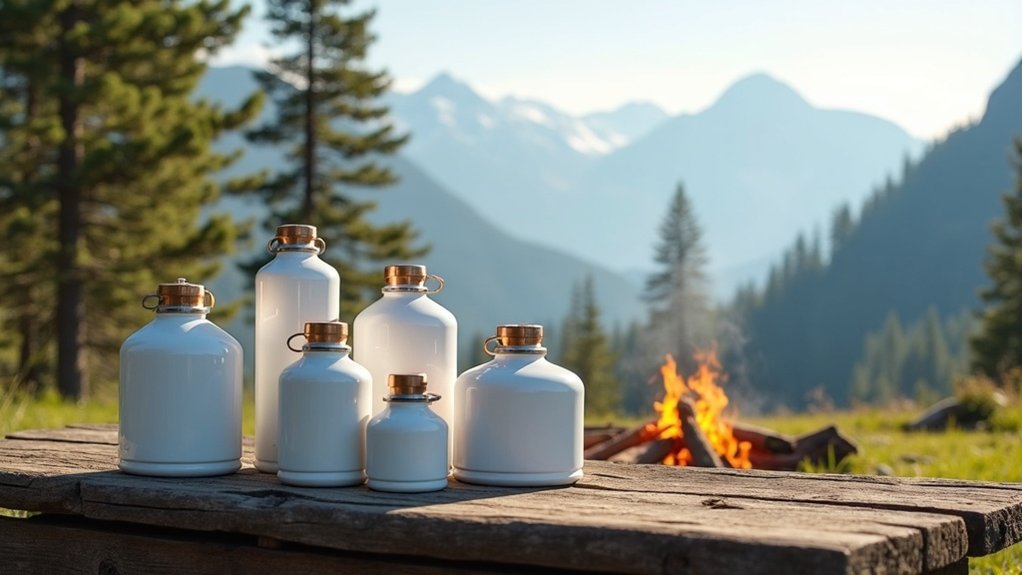
- Use decorative water barrels that can double as an attractive emergency supply, blending functionality with aesthetic appeal.
- Set up underground tanks to efficiently utilize space while keeping your water supply discreet and accessible during a crisis.
These strategies won’t only maximize your outdoor space but also equip you with a vital resource, enabling effective rainwater management and ensuring you’re prepared for various survival scenarios.