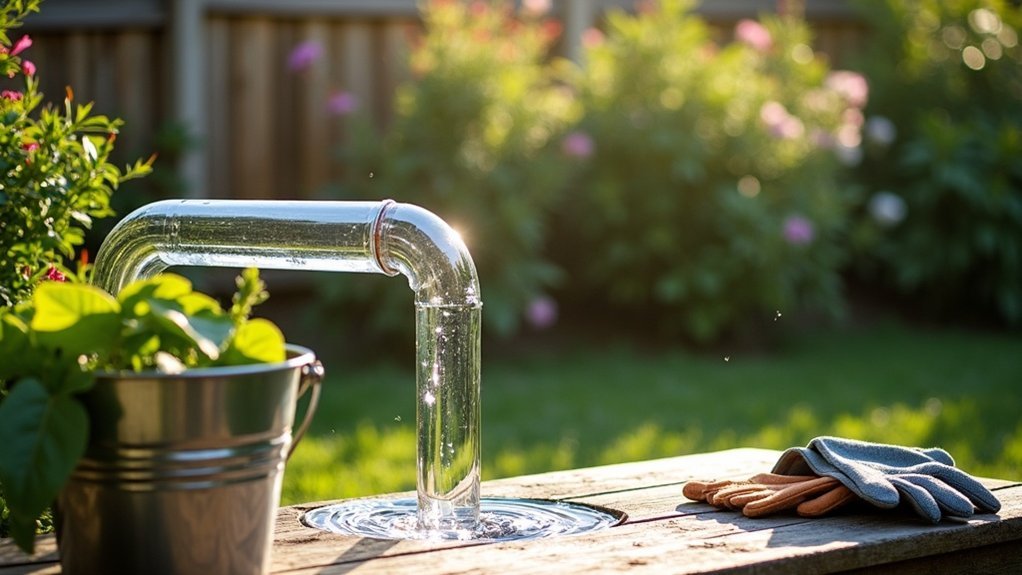
To harvest greywater safely for your survival and prepping needs, collect it from suitable sources such as bathroom sinks and showers, while strictly avoiding blackwater and contaminated kitchen water. Implement robust filtration systems to eliminate contaminants, and apply greywater directly to the soil rather than on plant leaves to ensure plant health. Use the harvested water within 24 hours to prevent bacterial growth, which can pose a risk to your survival efforts. Regularly maintain your greywater system by cleaning filters every 4–6 months to ensure optimal performance. Be aware that local regulations can vary; always check compliance requirements in your area to guarantee safe operation. For those committed to self-sufficiency, there’s much more to explore on optimizing your greywater system for sustainable living.
Key Takeaways
- Collect greywater only from safe sources like bathroom sinks and showers, steering clear of blackwater or kitchen sink water to avoid contamination risks in survival situations.
- Implement robust filtration systems to remove contaminants and ensure the water is safe for use in various survival applications.
- Apply greywater directly to the soil rather than to plant foliage to mitigate potential health risks, especially when cultivating food sources in emergency scenarios.
- Regularly maintain your greywater system by cleaning filters every 4–6 months and checking for any malfunctions to ensure it remains operational when needed most.
- Follow local regulations regarding greywater systems to maintain compliance and safety, which is crucial for sustainable living in a prepping context.
Understanding Greywater and Its Sources
Greywater, often overlooked in survivalist planning, can be a valuable resource for sustainable living and water conservation. This water, sourced from gently used areas in your home—such as sinks, showers, and washing machines—excludes any wastewater from toilets, referred to as blackwater.
Common greywater sources include bathroom fixtures and laundry machines; however, kitchen sinks may require advanced filtration due to higher contaminant levels. Understanding these sources is crucial for effective greywater treatment and reuse, especially in a preparedness mindset.
By implementing greywater systems, you can significantly enhance your self-sufficiency, potentially saving up to 40,000 gallons of water annually. Proper classification and treatment of greywater ensure safe application for irrigation and compliance with local regulations, making it an essential component of a robust survival strategy.
Embracing greywater reuse not only conserves water but also prepares you for potential future scenarios where water resources may be limited.
Key Principles of Safe Greywater Reuse
To ensure safe greywater reuse in a survivalist or prepping context, it’s crucial to adhere to specific guidelines for collection, application, and maintenance.
Implementing effective filtration systems and applying greywater directly to the soil can mitigate health risks while supporting plant health, which is vital for self-sufficiency.
Regular monitoring and diligent upkeep of your greywater systems are essential practices to maintain safety and efficiency in your water management strategies, especially in a preparedness scenario where resources may be limited.
Greywater Collection Guidelines
When collecting greywater for survival and prepping purposes, it’s essential to adhere to safe practices that minimize health risks and environmental impact.
Collect used household water exclusively from suitable sources like bathroom sinks and showers, avoiding blackwater or contaminated kitchen sink water.
Implement greywater systems with proper filtration to eliminate contaminants, ensuring water is used within 24 hours to prevent pathogen growth.
Apply greywater directly to soil, not plant foliage, to reduce contact risks and maintain hygiene.
Choose plant-friendly soap products to promote healthy soil and plant growth, which is critical for self-sufficiency.
Regular maintenance, including cleaning filters every 4–6 months, is vital for effective greywater reuse and safety, ensuring your preparedness efforts remain reliable and sustainable.
Safe Application Techniques
Proper application techniques are essential for maximizing the benefits of greywater reuse in survival and prepping scenarios, while also ensuring health and environmental safety.
Always direct greywater to the soil, avoiding plant foliage, to minimize contact and reduce the risk of pathogen exposure. Utilize irrigation tubing or mulch basins for effective distribution, which helps limit surface runoff and unpleasant odors.
It’s crucial to use greywater within 24 hours of collection to prevent harmful bacterial growth, especially in a survival situation where health is paramount.
Focus on growing non-root vegetables and fruit trees, while steering clear of plants that are sensitive to sodium and boron.
Regularly monitor your greywater system and clean filters every 4-6 months to ensure safe application and protect your crops, which is vital for long-term food security in prepping.
Maintenance and Monitoring Practices
Maintaining and monitoring your greywater system is crucial for its safe and efficient operation, especially in a survivalist or prepping context.
Regular upkeep not only conserves water but also ensures that your plants thrive, which is vital for self-sufficiency.
- Clean filters every 4–6 months to prevent clogging and ensure optimal water flow.
- Regularly check for leaks or odors to mitigate potential health risks and maintain hygiene.
- Use plant-friendly soaps to avoid harmful soil contaminants that could affect your food supply.
- Keep a detailed record of greywater usage and performance to make informed adjustments for better efficiency and sustainability.
Being proactive in these maintenance practices can significantly enhance your preparedness and resilience in any situation.
Types of Greywater Systems
Understanding the various types of greywater systems is essential for effectively harvesting and utilizing this resource in a survivalist or prepping context.
The Laundry-to-Landscape (L2L) system captures 10 to 40 gallons of water per washing machine load, offering a cost-effective, easy-to-install option for sustainable living, especially in times of water scarcity.
The Laundry-to-Landscape system provides a practical way to conserve 10 to 40 gallons of water per wash, especially during droughts.
Simple systems can redirect greywater from sinks and showers with minimal plumbing modifications, making them accessible for most homeowners looking to enhance their self-sufficiency.
In contrast, complex greywater systems may require extensive plumbing and permits, often necessitating professional installation and maintenance, which could be a concern during emergencies.
Each system’s design aims to minimize human and pet contact with greywater, ensuring compliance with health guidelines while maximizing resource conservation.
Choose wisely to align with your preparedness needs and sustainability goals.
Safety Considerations for Greywater Use
While greywater can be a valuable resource for conserving water in survival situations, it’s essential to handle it with care due to the potential presence of pathogens and contaminants.
Here are key safety considerations for preppers and survivalists:
- Use plant-friendly soaps to avoid harmful chemicals that may damage the soil and plants you rely on for sustenance.
- Implement subsurface irrigation systems to minimize direct human contact and reduce the risk of contamination, ensuring your water supply remains safe.
- Adhere to local regulations and guidelines to guarantee compliance and safe greywater use in your area, which is crucial for long-term survival strategies.
- Maintain greywater systems regularly; clean filters every 4–6 months to reduce health risks and ensure the longevity of your water resources.
Maintenance and Monitoring of Greywater Systems
To ensure your greywater system functions optimally in a survival situation, regular filter cleaning is crucial; aim for every 4–6 months.
Additionally, vigilantly monitor your system’s performance to identify any contaminants or irregularities early on.
Regular Filter Cleaning
Regular filter cleaning is essential for ensuring the efficiency of greywater systems, especially in survival situations where water conservation is critical. Neglecting this task can lead to clogging and reduced water flow for irrigation, which could compromise your ability to grow food.
It’s advisable to conduct regular cleaning every 4 to 6 months, inspecting filters for debris buildup and contaminants that can affect water quality. Proper maintenance also includes replacing worn-out components to prevent system failures and ensure optimal performance in times of need.
Keeping a maintenance log is crucial for tracking your cleaning schedule and identifying potential issues before they escalate.
- Check filters regularly
- Replace worn components
- Inspect for debris buildup
- Maintain a cleaning log
System Performance Monitoring
Effective system performance monitoring is crucial for ensuring the reliability of greywater systems, especially in survival situations where resource efficiency is paramount. By promptly identifying issues that could affect irrigation efficiency, you can maintain a sustainable water supply.
Regular maintenance tasks, such as cleaning filters every 4–6 months, are vital to prevent clogs and ensure optimal filtration. Keep an eye on flow rates and be vigilant for any unpleasant odors around irrigation areas, as these can signal malfunctions or excessive greywater buildup, which could compromise your water resources.
Maintaining detailed records of greywater usage, maintenance activities, and plant responses will allow you to assess system performance accurately and make informed decisions.
Additionally, periodic inspections of pumps and irrigation lines are essential in preventing breakdowns and enhancing the overall efficiency of your greywater system, ensuring that you’re always prepared for unexpected challenges.
Contaminant Detection Methods
Contaminant detection methods are vital for ensuring the safety and functionality of greywater systems, especially for those engaged in survivalism and prepping.
To effectively monitor these systems in a self-sufficient environment, consider the following approaches:
- Regularly inspect for unusual odors, discoloration, or algae growth that could indicate contamination.
- Utilize testing kits specifically designed for greywater to measure bacteria levels, pH, and nutrient content, ensuring water quality for reuse.
- Clean filters every 4–6 months to prevent clogging and maintain optimal water flow.
- Implement subsurface irrigation techniques to reduce human contact with greywater, thereby promoting safety for your household or survival group.
Local Regulations and Compliance
As you consider implementing a greywater system in your survival and prepping strategy, it’s crucial to recognize that local regulations can vary widely, impacting both the installation process and system design.
Some municipalities require permits for greywater systems, while others may allow simpler setups without any formalities. For instance, California permits laundry-to-landscape systems without permits, while Arizona allows systems that handle under 400 gallons per day without fees.
Ensuring compliance with local health and safety standards is essential to avoid potential health hazards in a survival situation. Always consult your city or county health departments to fully understand the specific requirements and guidelines for greywater usage in your area, as this knowledge can be vital for sustainable living and resource management in uncertain times.
Environmental Benefits of Greywater Harvesting
Implementing a greywater harvesting system not only complies with local regulations but also offers significant survival benefits for those focused on self-sufficiency and prepping.
By utilizing greywater for irrigation, you can effectively combat water shortages while promoting environmental sustainability, essential for long-term preparedness.
Here are some key advantages:
- Reduces reliance on potable water by up to 40%, conserving invaluable freshwater resources for emergencies.
- Enhances plant health with nutrient-rich greywater, creating resilient gardens that can support your food supply.
- Extends the lifespan of septic systems, ensuring sanitation is maintained during times of crisis and reducing the strain on municipal sewage systems.
- Improves local groundwater health through natural filtration processes, safeguarding water sources for future use.
Embracing greywater harvesting not only prepares you for potential water shortages but also aligns your practices with broader goals of sustainability and resource conservation, essential for any survivalist strategy.